






[Start HTML content here]
Why Dominik Hašek still matters when you watch modern goaltending
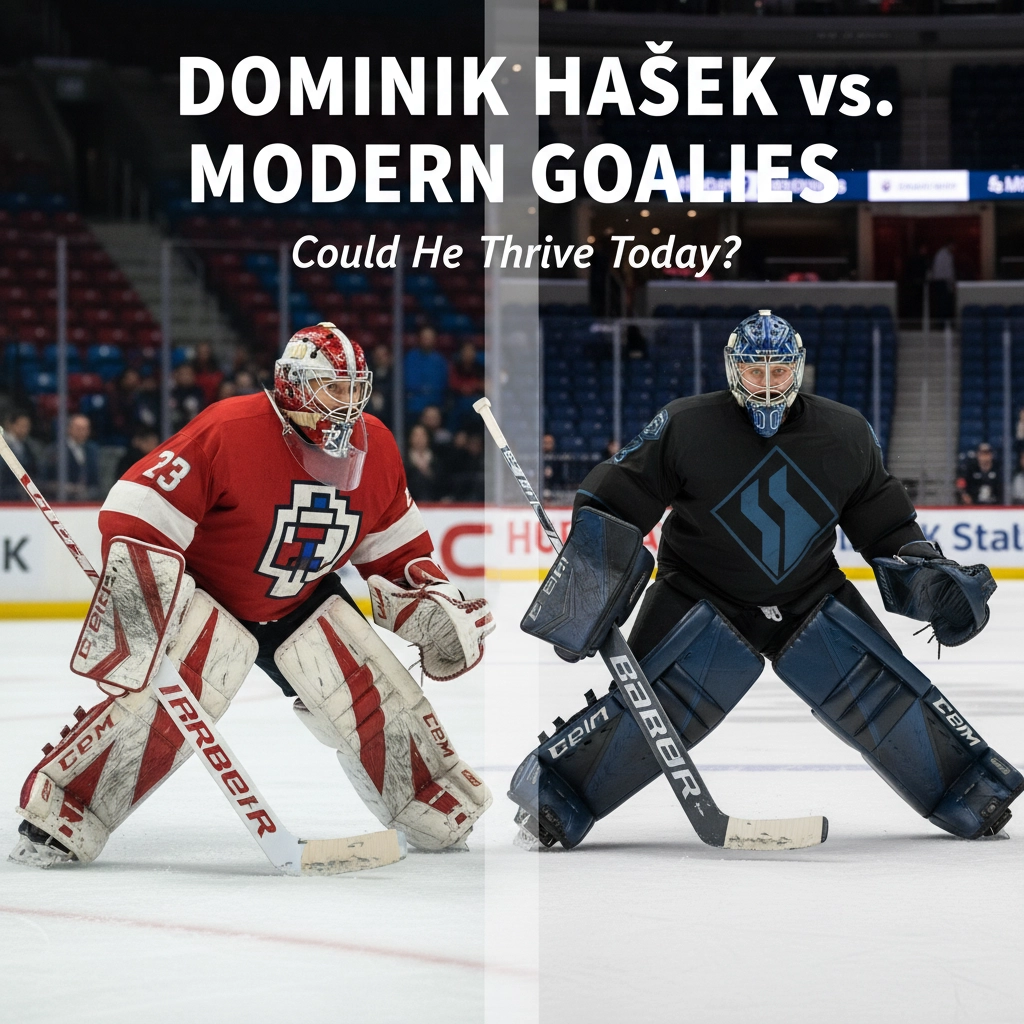
You probably know Dominik Hašek as one of the most idiosyncratic and effective goaltenders in NHL history. When you watch highlights today, his sprawling saves and improvisational techniques stand out against the more regimented positional play common in modern nets. Understanding whether Hašek could thrive now starts with placing his strengths and habits into the context of how the position evolved: training, analytics, and team systems.
What you need to know about Hašek’s on-ice strengths
Hašek’s game was defined by a blend of reflexes, flexibility, and unpredictability. Rather than relying solely on textbook positioning, he used timing and instinct to rob shooters in ways that rarely looked repeatable on paper. Key elements you should note:
- Exceptional reflexes: Hašek often made split-second reaction saves with unconventional body positioning, turning borderline plays into spectacular stops.
- Flexibility and agility: His ability to recover from awkward angles and sprawls allowed him to cover danger zones that rigid positional systems might have left exposed.
- Mental resilience and competitiveness: You would recognize his refusal to fold in high-pressure moments—he elevated team confidence and often swung momentum.
- Unorthodox technique: He favored improvisation over consistency, which confused shooters but could make him appear vulnerable on repeated tape.
As you consider these traits, remember they produced elite results: Vezina Trophies, Hart Trophy recognition, and an ability to carry teams deep into the playoffs.
How the goalkeeping environment has changed since Hašek’s peak
To evaluate Hašek today, you must factor in three major shifts in goaltending culture and resources since the 1990s and early 2000s:
- Technique standardization: The butterfly and other positional frameworks are taught earlier and drilled more rigorously, so you’ll see less deviation in youth and pro pipelines.
- Performance analytics: Teams now track shot locations, expected goals, and rebound control metrics. You, as a viewer, should appreciate that objective data can expose repeatable weaknesses and inform coaching adjustments.
- Advanced training and sports science: Off-ice programs, individualized conditioning, and recovery protocols are far more sophisticated; goalies today enter the NHL with better physical preparation tailored to modern demands.
Those changes mean modern goalies often combine reliable technique with athleticism and are assessed by metrics that reward consistency. That raises the central question you’re likely pondering: can Hašek’s creative, sometimes inconsistent style be reconciled with today’s demand for repeatable processes and measurable outcomes?
Next, you’ll examine specific matchups between Hašek’s skills and modern metrics, plus how coaching, equipment, and game speed would influence his success at this moment in the NHL.
How modern analytics would judge Hašek’s strengths and weaknesses
If you dropped Hašek into today’s analytic environment, the first thing you’d notice is the shift from storytelling to numbers. Teams now quantify everything a goalie does: overall save percentage, high-danger save percentage (HDSv%), goals saved above expected (GSAx), rebound rates, and even micro-events like first-shot rebound likelihood. On paper, Hašek presents a paradox.
His highlight-reel saves translate into an ability to beat the numbers on high-danger chances — the kind of split-second, acrobatic stops that push HDSv% and GSAx upward. Scouts and analysts would celebrate that elite play in traffic and on odd-man rushes. Where analytics could be less forgiving is consistency: Hašek’s unorthodox positioning and reliance on improvisation create variance. Modern models penalize repeatable holes because they predict more goals over time; a goalie who oscillates between superhero saves and soft goals will show a higher standard deviation in expected vs. actual results.
Rebound control metrics would be another scrutiny point. Hašek’s athleticism helped him make awkward saves, but he sometimes left second-chance opportunities in chaotic ways. Today, rebound suppression and play-stopping ability are tracked and coached. Teams would flag any persistent rebound tendencies and design practice reps to reduce them. Conversely, if Hašek maintained the elite, game-changing reactions he had, his HDSv% and GSAx could mask a lower overall consistency — and smart teams would weigh that trade-off differently depending on roster fit.
Finally, tracking data would expose shooter tendencies against him. Video and player-tracking would turn some of his mysteries into patterns; shooters and coaches would adjust. The critical question analytics would ask is: can the upside he delivers in high-leverage moments overcome the predictable liabilities that data can exploit? That’s not an abstract question — it’s how modern front offices decide which goalies to keep and which to tweak.
Coaching, training and sports science: could modern development refine his game?
One clear advantage Hašek would enjoy today is an army of specialized coaches and sports-science resources. Modern goalie coaches break skills into repeatable components: tracking, depth control, slide mechanics, rebound channels, and recovery patterns. Strength and conditioning staff design movements to preserve flexibility while improving lateral explosiveness. Put simply, Hašek’s gifts would be sculpted rather than suppressed.
Imagine targeted work on consistent depth and angling that preserves his instincts but reduces needless exposure. Video breakdowns would highlight the exact moments where he overcommitted or opened up lanes; those clips become drill blueprints. Moreover, tailored mobility programs could maintain his flexibility while adding hip stability and quicker post-to-post recovery — areas that could blunt concerns about a faster modern game.
Mental performance coaching would also be invaluable. Hašek thrived on competitiveness and psychological warfare; applied sport psychology and recovery protocols could extend his peak periods and manage the emotional swings that sometimes affected his night-to-night play. In short, contemporary development would likely keep his improvisational edge while giving him the repeatability modern systems reward.
Equipment, rules and game speed: practical impacts on his style
Equipment is another practical factor. Today’s pads are lighter and designed for mobility; masks, skates and sticks favor quicker recovery and more comfortable ranges of motion. That suits Hašek’s flexible, reactive style better than the heavier gear of his early career. Rule and rink changes — less clutching and grabbing, faster restarts — push play speed up, meaning goalies face quicker puck movement and more pre-shot deception.
Faster transitional play increases the premium on anticipation and stick work. Modern goalies are expected to play the puck and act as third defensemen on breakouts; if Hašek strengthened those areas, his reflexes would become even more dangerous. If he resisted adapting, increased pace and data-driven shooter strategy would expose him. But given his competitive nature and observable willingness to learn, it’s fair to project he’d embrace the tools and training to remain not just relevant, but potentially dominant in specific matchups.
Final take: where Hašek would land in today’s NHL
Dominik Hašek was never a strict prototype; he was a performer who bent rules of expectation with speed, reflex and will. In the modern NHL, those same traits would be both treasured and interrogated. Teams would try to preserve his game-changing instincts while smoothing the edges analytics and coaching now consider exploitable. The likely end result isn’t a complete stylistic overhaul but a calibrated Hašek — one who keeps the breathtaking saves while reducing repeatable weaknesses through targeted training, sports science and tactical deployment.
Put another way: he wouldn’t be shoehorned into a cookie-cutter mold. Front offices would value his upside on high-danger shots and use data to mitigate variance, pairing him with systems and personnel that cover his liabilities. With contemporary equipment, specialized coaches and the resources outlined by modern organizations, Hašek’s raw gifts would almost certainly be amplified rather than neutered — producing a goaltender who could both dazzle and fit into today’s faster, more analytical game. For more on how modern goalie metrics and development are applied, see NHL.com.
Frequently Asked Questions
Would Hašek’s unorthodox style be punished by modern analytics?
Analytics would highlight inconsistency and rebound risk, but they also reward elite high-danger saves. Teams would measure his variance and likely focus on reducing repeatable exposures while preserving his ability to make game-changing stops.
Could modern coaching and training fix his weaknesses?
Yes. Specialized goalie coaching, mobility/strength programs and video-driven drill work could refine his depth, angling and rebound control without taking away the improvisational instincts that made him exceptional.
Would equipment and rule changes help or hurt his game?
Lighter, more mobile equipment and today’s emphasis on puck-handling would suit Hašek’s reactive style, improving recovery and movement. Faster play would demand better anticipation and puck play, areas modern coaching would prioritize for him.