








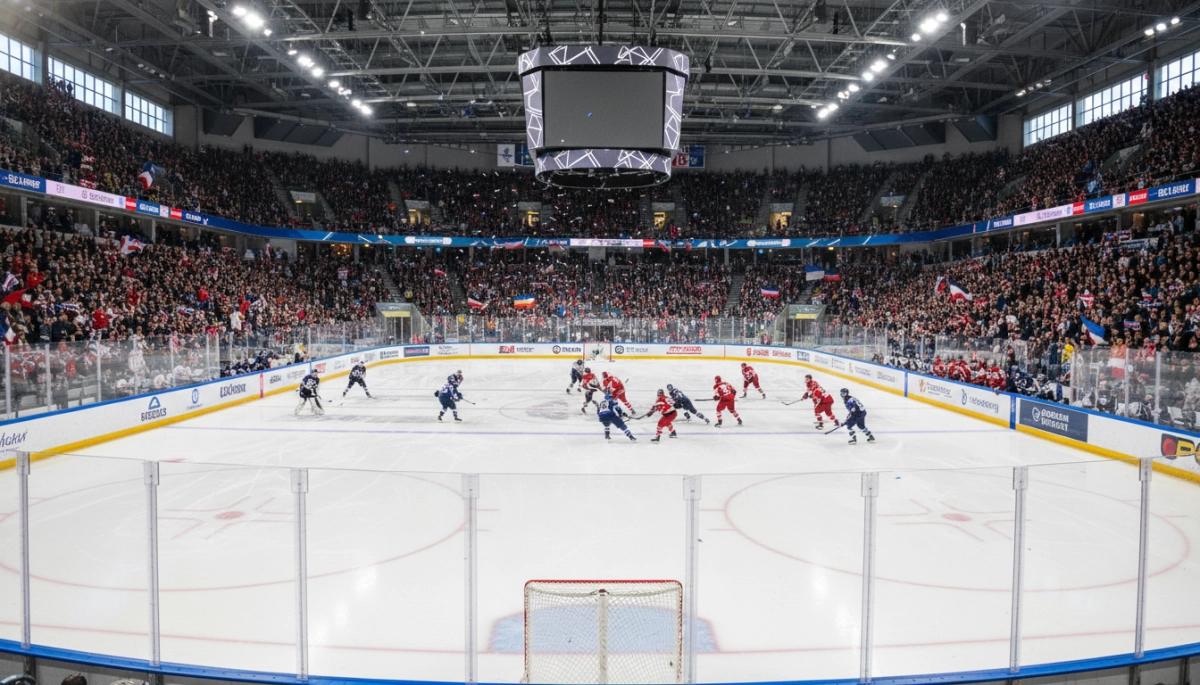
Why European Hockey Leagues Matter for Fans
Europe hosts some of the most tactically sophisticated and passionate hockey competitions in the world. Whether you follow ice hockey or field hockey, the continent’s leagues combine rich club histories, intense local rivalries, and a steady pipeline of talent that feeds international tournaments. As a fan, understanding the structure and strengths of these competitions helps you pick the best matches to follow, appreciate player development, and spot rising stars before they hit the global stage.
European leagues are also diverse in style: Scandinavian systems emphasize speed and technical play, Central European leagues often showcase physicality and strategic depth, and transnational tournaments reward consistency across different styles. This variety means you can tailor your viewing to the type of hockey you enjoy most — offensive flair, defensive discipline, or fast transitional play.
How competitions are organized and why that matters to you
Leagues typically run a domestic season with playoffs to determine a champion, while pan‑European cups pit top clubs from different countries against one another. Promotion and relegation in many national systems keep stakes high for every match, and cup competitions add knockout drama. For you as a viewer, this structure creates a steady stream of meaningful games: start-of-season fixtures with tactical experimentation, midseason rivalries with playoff implications, and high‑pressure knockout ties.
Core Competitions to Start Following
Here are the primary competitions you should prioritize if you want a representative cross-section of top European hockey. Each entry includes what to expect stylistically and why it’s worth your attention.
- Champions Hockey League (CHL) — A pan‑European ice hockey tournament featuring top clubs from domestic leagues. Expect high intensity and a showcase of the best club talent outside North America.
- Kontinental Hockey League (KHL) — A major Eurasian league known for combining elite skill with physical play. It features clubs from multiple countries and often includes some of the highest budgets and top international players.
- Swedish Hockey League (SHL) — Renowned for player development and fast, tactical play. If you value structured systems and emerging talent, the SHL is a must‑watch.
- Liiga (Finland) — Emphasizes speed, skating, and disciplined team defense. Many NHL prospects come through Liiga, so it’s great for scouting future stars.
- National League (Switzerland) — A high‑quality league attracting international stars with competitive salaries and fan‑friendly arenas; balanced play and entertaining matches are common.
- DEL (Germany) and Czech Extraliga — Both leagues offer passionate atmospheres and a mix of seasoned veterans and young talent; they’re ideal if you enjoy physical play and traditional club rivalries.
- Euro Hockey League (EHL) — Field Hockey — The top European club competition for field hockey, delivering fast, skillful play and a different but complementary viewing experience to ice hockey.
With these competitions on your radar, you’ll cover the major styles and competitive formats that define European hockey. In the next section, you’ll get a practical guide to following seasons, finding live streams, and prioritizing fixtures so you don’t miss the most important games.
Practical guide to following seasons and finding reliable streams
Once you’ve picked the leagues and competitions that interest you, the next step is to make them consistently watchable. Start by bookmarking official league and club websites — they publish season calendars, broadcast partners, and midseason schedule changes (including reschedules for international breaks). Most European domestic seasons run from September to April, with playoffs extending into spring; transnational cups and EHL fixtures are often midweek or slotted into international windows, so check calendars early and set alerts.
For viewing, prioritize official broadcasters and league streaming platforms first — they offer the cleanest feeds, consistent commentary, and rights‑cleared archives. Many leagues now provide club-specific streams for away fixtures, while pan‑European competitions have centralized services or agreements with regional sports networks. If you encounter geo‑blocking, consider official regional partners or licensed global platforms rather than third‑party streams; a VPN may work technically but can breach terms of service. For quick highlights and postgame clips, club social channels and league YouTube pages are invaluable for keeping up between live matches.
Which fixtures to prioritize: building a season viewing schedule
Not every game will be a must‑see, so focus on match types that deliver the most drama and insight. Start with rivalry derbies and traditional fixtures — those games capture atmospheres and tactical mind games that define a league’s character. Next, mark playoff‑influencing matches and promotion/relegation showdowns; the intensity ramps up late in the season and these contests often reveal players who thrive under pressure.
Also prioritize cup and continental knockout ties. Single‑ or two‑leg eliminations produce tactical shifts and lineup gambles that are excellent for spotting coaching acumen and clutch performers. If you’re scouting talent, add early‑season games and youth‑heavy matchups (reserve team callups, young prospects getting top‑six minutes): they allow you to track development before clubs settle into veteran lineups. Finally, create a simple weekly schedule — a Friday/Saturday round for domestic action plus one midweek continental or cup fixture — so you cover variety without burning out.
Using stats, scouting signals, and social media to deepen your follow
Watching is only part of the picture. Use official stat pages and aggregators (league stat centers, EliteProspects for player histories, and competition sites for advanced metrics where available) to contextualize what you see. Key scouting signals to track: ice time and role (power play/penalty kill), lineup consistency, shot volume and quality, and age‑adjusted performance. For goalies, look beyond save percentage to workload and rebound control; for forwards, track high‑danger chances and transition involvement.
Social media and local beat reporters are great for real‑time updates—injury news, lineup changes, and coach interviews that explain tactical decisions. Follow club accounts, trusted journalists, and official league handles for reliable alerts. Combine live viewing, stats, and social updates and you’ll not only enjoy more meaningful games but also develop an informed eye for players and trends worth following through the season.
Bringing Your Fandom to Life
Ready to turn interest into habit? Start small: pick one domestic league and one pan‑European competition to follow this season, set calendar alerts for their key dates, and subscribe to official club and league channels for lineup and broadcast updates. Attend a local match if you can — live arenas are where rivalries and atmosphere truly come alive — and use reliable databases like EliteProspects to track player backgrounds and statistics.
Make following European hockey social and interactive. Join fan forums, follow trusted beat reporters on social media for behind‑the‑scenes context, and try annotating a few games with advanced stats to sharpen your eye. Most importantly, experiment: watch a high‑tempo Scandinavian game one week and a physical Central European derby the next. Over time you’ll discover the styles and competitions that excite you most.
Quick starter checklist
- Choose one domestic league and one continental cup to follow this season.
- Bookmark official league pages and set streaming/broadcast alerts.
- Follow club accounts and a few local journalists for real‑time updates.
- Use stat databases to complement what you see on the ice or pitch.
- Attend a match or watch a derby to experience the culture firsthand.
Key Takeaways
- Mix domestic leagues with pan‑European cups to experience the full variety of European hockey.
- Prioritize official streams, league stat centers, and trusted reporters for reliable coverage and insights.
- Focus on rivalries, playoff ties, and youth matchups to spot the most exciting and telling games.