
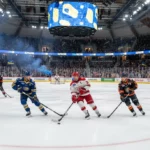

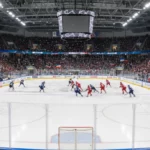






Why Finland’s Ice Hockey Scene Deserves Your Attention
If you follow international hockey or track prospects for higher leagues, you should pay attention to Finland. The country’s systematic approach to coaching, emphasis on skating and two-way play, and a domestic top tier—Liiga—have combined to produce world-class players at a consistent rate. In this section you’ll get a clear picture of the cultural and structural reasons Finland punches above its weight in hockey.
What makes Finnish development distinctive
You’ll notice several recurring features when you look at Finnish development programs:
- Skating-first philosophy: coaches prioritize edge work, balance and mobility from a young age so players can adapt to higher speeds and tactics.
- Two-way responsibility: even skill players are taught defensive systems early, making them reliable in pro environments.
- Small-area skill and decision-making: drills emphasize quick reads and tight-space creativity rather than only straight-line speed.
- Structured pathway: a national framework links junior clubs, Liiga teams, and national youth teams to streamline advancement.
Liiga: The Professional Core of Finnish Hockey
Liiga is Finland’s top professional league and serves a dual role: it’s both a competitive domestic championship and a development platform for prospects. You’ll find that Liiga gives young players meaningful minutes against seasoned professionals, something many other European leagues handle differently. That gap-closing experience accelerates readiness for international play and the NHL draft.
How Liiga is organized and how it affects you as a fan or follower
Understanding Liiga’s structure helps you evaluate teams and prospects:
- Teams: Liiga features established clubs—such as Tappara, Kärpät, HIFK and TPS—that combine strong junior programs with senior rosters.
- Season format: a regular season followed by playoffs, where physical play and tactics tend to intensify, offering a true test for developing players.
- Ice time distribution: unlike some leagues that shelter prospects, Liiga coaches routinely integrate young players into penalty-kill units or top-four defensive pairings, exposing them to situational hockey.
- Loan and affiliate systems: Liiga clubs work closely with Mestis (second-tier) and junior teams to ensure players face proper competition levels as they progress.
As you follow Liiga games and player trajectories, focus on minutes in key situations, adaptability to different line roles, and the progression from junior to pro minutes—these are the signals Finnish coaches use to assess readiness. In the next section you’ll examine the junior pathway in detail, how clubs scout and nurture talent from U16 to U20, and which development metrics predict future stars.
The Junior Pathway: U16 to U20 — the stepping stones
The formal route from raw kid to pro in Finland is straightforward and intentionally flexible. Most players move through club-run age groups: U16, U18 and the U20 SM‑sarja. Each stage has different priorities — skill acquisition and physical literacy at U16, tactical structure and competitive habits at U18, and role refinement plus professional readiness at U20. Clubs map individualized plans for players that span on-ice training, off-ice strength and conditioning, nutrition and mental skills work.
Beyond club ice, the national setup provides additional checkpoints. Scouts and coaches pick squads for U16 national camps, then U18 and U20 national teams. Those youth tournaments are both learning environments and global showcases: strong U18/U20 showings often fast-track Liiga minutes or even attract NHL interest. Equally important in Finland is the loan system — promising juniors will get short stints in Mestis or senior Liiga lineups to test them against grown-up competition. That staged exposure is what turns promising statistics into professional competence.
Clubs also prepare for different growth timelines. Finland accepts that some players bloom late; developmental trajectories are tracked season-to-season, not just by single-year scoring. Expect to see a player moved from top-line junior minutes to a checking or PK role in senior games when coaches want to build two-way responsibility and situational awareness.
How clubs scout, coach and nurture talent
Finnish clubs combine broad scouting networks with consistent coaching philosophies. Scouts operate regionally and nationally, watching U16/U18 games, summer tournaments and national camps. But clubs don’t rely on raw metrics alone — extensive video review and in-person coach evaluations emphasize decision-making, recovery speed and effectiveness under pressure.
On the coaching side, there’s a club-wide thread: skating mechanics, puck protection, and quick reads are reinforced at every age. Specialists — skating coaches, goalie coaches, skills coaches — rotate through the junior teams so techniques are consistent. Strength and conditioning programs are periodized: younger players focus on movement quality and injury prevention, older juniors move toward power and endurance targets aligned with professional demands.
Clubs also use partnerships with Mestis teams and local schools to balance hockey and education. Holistic support (academic tutoring, life skills, psychology) reduces distraction and helps players manage transitions — a small but crucial component that keeps more prospects on the track to pro careers.
Metrics and behavioral signs that predict future stars
If you’re evaluating prospects beyond goals and assists, focus on usage, context and progression. Key indicators include:
– Situational ice time: PK and defensive-zone starts for a young player show coach trust in reliability; power-play time points to offensive poise.
– Year-over-year TOI growth: steady increases in meaningful minutes suggest adaptability and readiness.
– Quality of play under pressure: successful zone exits, clean breakouts, and low turnover rates when pressured.
– Possession and shot metrics: relative possession (possession share vs teammates) and shot quality (chance creation per 60) are more telling than raw scoring in junior leagues.
– Intangibles: recovery speed after mistakes, ability to learn from video sessions, and consistency in competitive intensity.
International performance (U18/U20) and how a player handles promotion to Mestis/Liiga are often the final litmus tests. When a young player maintains decision speed and skating efficiency against older competition, the odds of a high-level pro career rise sharply. For fans tracking prospects, follow minutes in key situations, TOI trends, and whether coaches entrust a player with different roles — those are the most reliable signals Finland’s system uses to identify future stars.
How to follow Liiga, Mestis and the junior scene
If you want to track prospects and teams in real time, combine game viewing with simple data checks and local reporting. Watch full games or condensed highlights to judge decision-making and skating; monitor primary stats alongside TOI and situational usage; follow club and national youth team announcements during the U16–U20 calendars. For schedules, live scores and official team info, the Liiga official site is a reliable starting point, and many clubs publish development updates and video clips on their channels.
Finland’s next chapter in hockey
Finnish hockey’s strengths come from patient, system-driven development and a culture that prizes complete players. As the game evolves, Finland is likely to keep adapting its methods while preserving those core values. Whether you’re a fan, scout, coach or parent, the most valuable stance is to watch patiently, ask questions about context and roles, and appreciate the incremental growth that builds elite players. Engage with clubs, attend a Liiga game if you can, and follow youth tournaments — the long view reveals the real story.
Key Takeaways
- Finland emphasizes skating, two-way play and staged exposure—look beyond points to situational minutes and progression.
- Liiga and club partnerships provide meaningful pro minutes for development; trust is shown through role diversity and situational usage.
- Follow games, TOI trends and youth tournaments to spot prospects; official league and club channels are the best primary sources.