







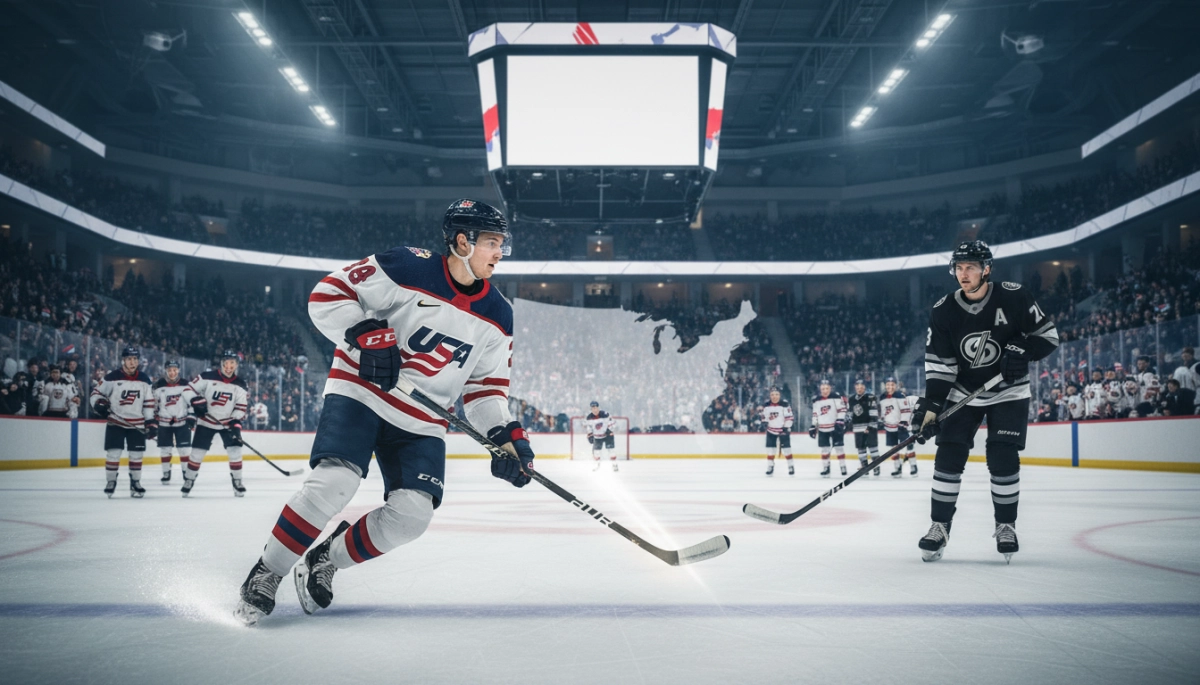
Where college hockey sits in the pro development ladder
You need to understand the role of U.S. college hockey before you plan the jump to the professional ranks. NCAA Division I and III programs, plus junior-college and club levels like ACHA, are all scouting arenas — each offers different exposure, competition level, and timelines. For many players the college route is a way to develop physically, sharpen skills, and earn legitimate game experience while getting an education that provides long-term security.
Pro organizations, including NHL teams and AHL clubs, treat college hockey as a late-developing pipeline. Players often arrive at camps or pro tryouts older, stronger, and more tactically mature than their junior counterparts. As a college player, you’ll be measured not just on raw ability but on how quickly you adapt to higher coaching standards, recovery protocols, and the speed of the pro game.
How pro scouts and teams evaluate college players
When you’re on a college roster, scouts are watching specific traits and patterns. You should focus on demonstrable attributes that project at the professional level:
- On-ice decision-making — are your reads consistent under pressure?
- Skating quality — acceleration, edge work, and top speed adapt directly to pro demands.
- Physical readiness — strength, conditioning, and ability to handle contact.
- Consistency and improvement — year-to-year growth and game-to-game reliability.
- Role adaptability — can you play multiple systems, special teams, or adjust your role?
Concrete steps you should take during your college career to attract pro interest
Beyond performing in games, there are proactive actions you can take to increase your chances of moving up. Treat your college years like a professional apprenticeship and develop habits that translate to the next level.
- Maximize ice time and role clarity: Seek opportunities where you can log meaningful minutes, even if it means taking a specialized role (penalty killing, shutdown forward, puck-moving defenseman).
- Track and present your metrics: Keep a personal dossier with stats, video clips of game situations, GPS/fitness numbers if available, and coach evaluations to share with scouts and agents.
- Use showcases and tournaments: Attend summer development camps, national team camps, and midseason showcases where scouts concentrate their attention.
- Engage with strength and skills coaches: Demonstrable year-over-year gains in speed and strength are compelling to pro evaluators.
- Build professional relationships: Communicate with your college coaches about pro interest, and cultivate honest relationships with scouts, agents, and former players who can advocate for you.
Taking these steps increases your visibility and demonstrates that you have the discipline and development trajectory pro teams seek. In the next section, you’ll get a detailed look at the scouting timeline, combine measurements, and how the NHL draft and AHL signings intersect with the college calendar.
Scouting timeline: when scouts are watching and what windows matter
Scouts don’t watch college players evenly across the year — there are clear peak windows where exposure matters most. Understand these rhythms so you’re prepared to perform and present your best self when attention is highest.
- Early season (October–November): Teams are assembling impressions. Strong starts can define your role and earn midseason invites; this is when you should push for consistent game-to-game impact.
- Midseason showcases and holiday tournaments (December–January): Events like the Holiday tournaments, regional showcases and NCAA midseason matchups concentrate scouts from NHL and AHL clubs. Playmaking and special-teams work here get noticed.
- Conference playoffs and Frozen Four (March–April): High-leverage postseason performance is heavily weighted. Players who elevate in pressure situations suddenly look more “pro-ready.”
- Postseason-to-summer (April–July): Pro teams host development camps, prospect camps and private workouts. July and August are when unsigned college players often attend tryouts, and agents begin negotiations.
Plan your season around those windows: peak your conditioning for midseason and postseason, keep video clips ready to share after standout games, and coordinate with your coach and agent to secure invites to summer camps.
Combine and measurement realities: what numbers actually move the needle
Combines and private testing give teams standardized data, but the context of those numbers matters more than raw measurements. Here’s what scouts pay attention to and how to use testing to your advantage.
- On-ice speed and acceleration: Sprint times, first two strides, and edge acceleration translate directly to pro value. Small gains here can outweigh dramatic off-ice strength increases.
- Skating mechanics and agility: Tests that measure change-of-direction and crossovers show how you’ll handle pro pace. Video of on-ice movement paired with test numbers is persuasive.
- Strength and power: Bench, vertical, and squat numbers show physical development; year-over-year improvement is often more compelling than absolute maxes.
- Endurance and recovery: VO2 and repeat-shift testing signal your ability to sustain pro minutes. Recovery metrics or GPS data from practices also catch attention.
- Size and wingspan: Physical frame matters by position — defensemen and power forwards are judged more on reach and mass than small, skill-focused forwards.
Don’t chase a single metric. Prepare for combines with a coach who can convert test numbers into on-ice improvements, and use testing as proof of progress rather than as an isolated showcase.
Draft, signings, and the college calendar: timing decisions that affect opportunity
Draft eligibility, NHL rights retention, and AHL signings interact with the college calendar in ways that influence career choices. Familiarize yourself with the timing so you can make informed decisions.
- NHL Draft timing: The NHL Draft happens each summer. Draft-eligible players should be at peak exposure during the midseason and postseason prior to the draft year.
- Signing windows: Drafted college players often remain in school for development; teams retain rights for a defined period. Undrafted seniors and free agents typically sign in the spring/early summer after their seasons end.
- AHL options: AHL clubs use amateur tryouts (ATO/PTO) and standard contracts to integrate college players after their seasons. These are common routes for players who want pro minutes immediately post-college.
Before making any commitment, consult your college compliance office and an agent about eligibility, timelines, and the career trade-offs of leaving school early versus completing your development in college. Timing — more than raw talent alone — often determines whether the jump to pro becomes an immediate reality or a longer-term path.
Making the professional transition: practical next steps
As you move from college to pro opportunities, take concrete, immediate actions that preserve options and accelerate readiness. First, protect your eligibility and understand contract language — talk to your compliance office and a trusted agent or advisor before signing anything. Second, create a 12-month development plan with measurable goals for skating, strength, and positional play; align on- and off-ice work so testing and game tape tell the same story. Third, prioritize networking: keep lines open with college coaches, pro scouts, former teammates who turned pro, and team development staff who run summer camps.
Also prepare for the non-playing side of the jump: financial planning, relocation logistics, and managing media or social profiles. If you’re draft-eligible or anticipating summer camps, monitor official timelines and resources — for example, consult NHL Draft resources to know dates, rights, and entry requirements. Small organizational moves now (a clear highlight reel, a contact list, health records) make negotiations and tryouts smoother later.
Final notes for the aspiring pro
Every player’s path is different: some sign immediately after college, others take a year in the AHL or ECHL before breaking through. Focus on what you can control — preparation, consistency, and relationships — and be patient with the process. The jump to pro hockey rewards maturity as much as talent.
Keep developing, stay coachable, and use the college environment to build the habits that will sustain a pro career on and off the ice.
Key Takeaways
- Use college hockey to develop physically, tactically, and mentally while building a professional network and a documentary dossier (video, metrics, coach feedback).
- Time your peak performances for scout-heavy windows (midseason, postseason) and prepare for combines with on-ice context, not just raw numbers.
- Protect eligibility, vet advisors, and plan both on-ice development and off-ice logistics to make the transition to pro hockey as smooth as possible.