







Hockey as a Civic Lifeblood: How Cities Build a Hockey Identity
When you think of a “hockey city,” you’re really thinking about a collection of community choices and physical assets working together. Climate and history help, but what ultimately defines a top American ice hockey city is how accessible the sport is to you and your neighbors: the density of rinks, the strength of youth programs, the presence of college and professional teams, and the ways local culture embraces game nights and winter skating rituals.
In many places, hockey is more than a pastime; it’s part of civic identity. That identity forms around family traditions of bringing kids to learn-to-skate sessions, volunteer coaches who build local leagues, and arenas that become gathering places for thousands. You don’t need sub-zero temperatures to feel that energy—cities in warm states have created strong programs by investing in indoor rinks and marketing the sport to new audiences.
From Neighborhood Rinks to Competitive Youth Leagues
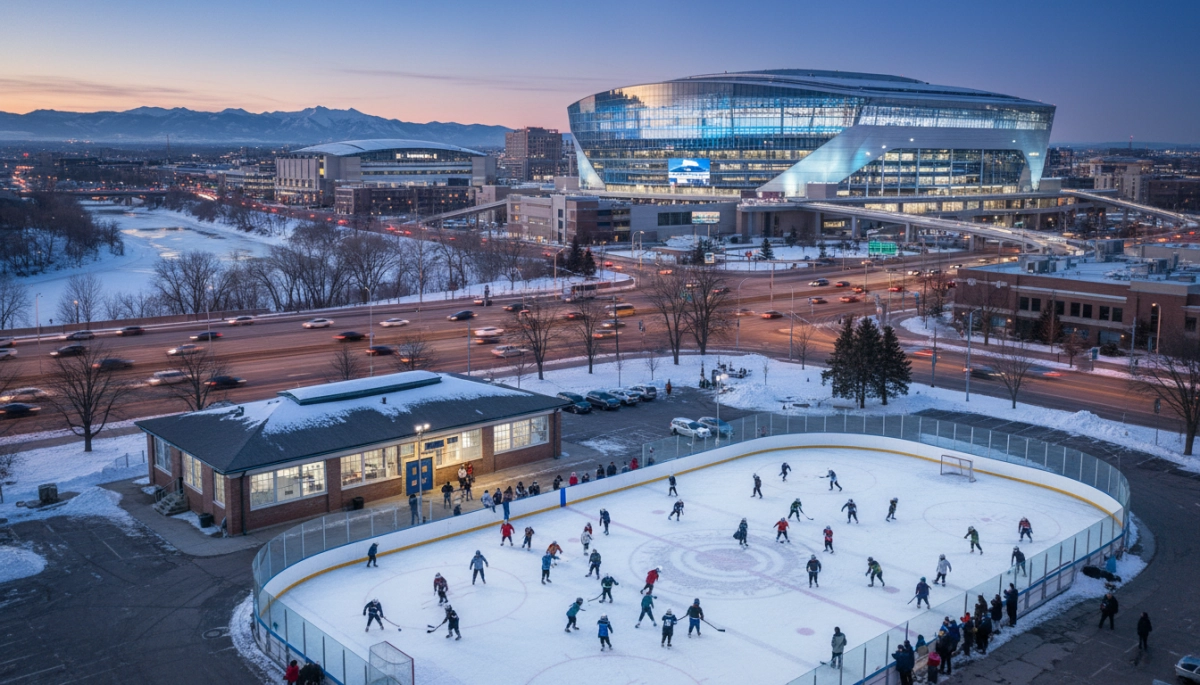
Your first exposure to hockey in any city is often at the neighborhood rink. Learn-to-skate classes, drop-in stick-and-puck sessions, and high-school programs create the base of players and fans. Cities that consistently produce strong youth talent share several practical features that you can look for or replicate:
- Rink accessibility: multiple municipal and private rinks with affordable ice time so more kids can play.
- Structured development pathways: beginner clinics, house leagues, travel teams, and elite development programs working together.
- Coaching and volunteer networks: parents and former players who provide coaching, fundraisers, and local governance.
- School and community partnerships: high-school leagues, intramural offerings, and partnerships with youth organizations.
- Scholarship and cost-relief options: financial programs that reduce barriers for families.
When you examine a city’s youth system, you’ll see how early exposure, coaching quality, and retention rates matter more than a single championship. Cities that emphasize inclusive entry points and clear advancement opportunities tend to produce deeper pools of talent and a more passionate fan base.
Arenas and Teams: How Professional Presence Shapes Local Passion
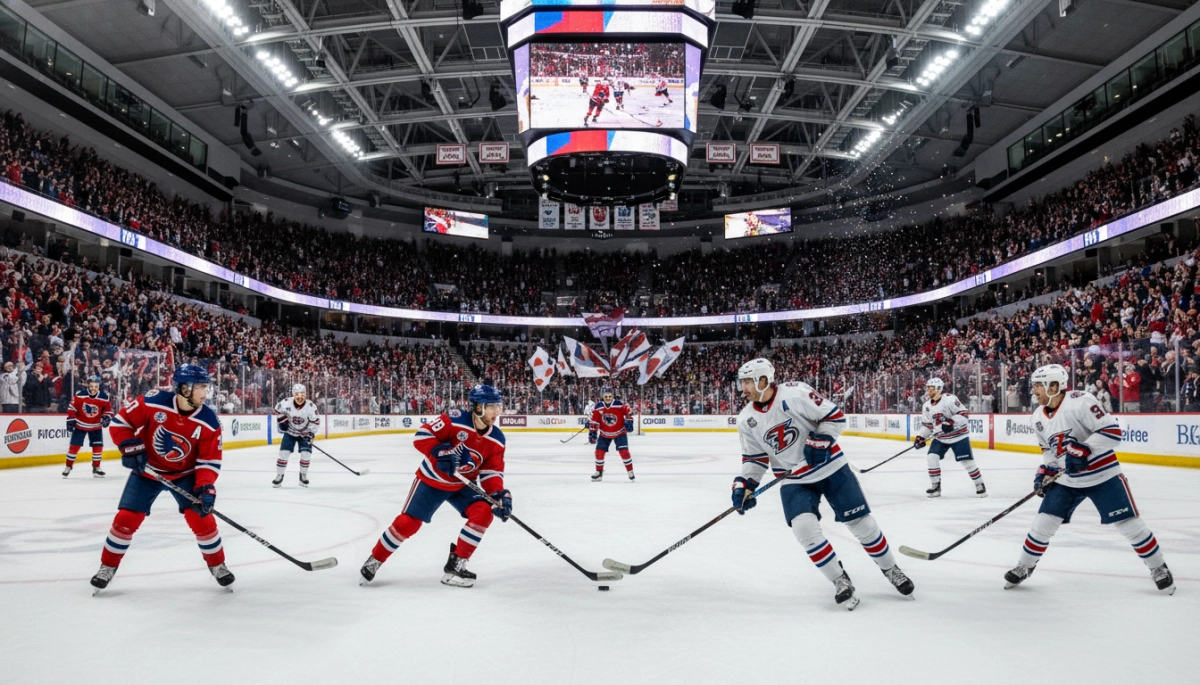
Professional and collegiate arenas serve as both symbols and engines of hockey culture. When you attend a game at an NHL arena or a crowded AHL facility, you’re witnessing the payoff of years of grassroots work. The presence of a pro franchise amplifies youth interest, directs local media attention, and justifies investment in facilities and coaching.
Some cities pair storied franchises with successful youth ecosystems—Detroit’s community rinks, Minnesota’s high-school tradition, or Boston’s college pipelines are examples of ecosystems that reinforce one another. But don’t overlook smaller markets: A strong AHL or junior program can similarly galvanize local support and produce talent that reaches the NHL.
Next, you’ll explore the specific top American hockey cities, learning what each place contributes to the sport and why certain metro areas rise to the top of scouting reports and fan loyalty.
Northern Traditions: Minnesota, New England, and the Great Lakes
In places where frozen ponds were once the only option, hockey evolves into civic ritual. Minnesota’s “State of Hockey” label isn’t marketing fluff—it describes a dense network of high-school rivalries, year-round development programs, and community rinks that put skating on the calendar for nearly every family. The annual state high-school tournament and prep-school programs feed college rosters and NHL scouts while neighborhood boards and volunteer-run rinks keep costs down and access high.
New England’s hockey identity centers on college programs and the small-ice traditions around them. Boston’s Beanpot, the perennial college showcase, amplifies local pride and funnels attention to youth clubs that partner with university programs. Likewise, the Great Lakes corridor—Detroit, Cleveland, and nearby cities—pairs deep youth investment with historic pro franchises, where community initiatives (scholarships, learn-to-play days, and corporate sponsorship of municipal ice time) nudge more kids onto skates and into competitive pathways.
Sunbelt Surge: How Southern and Western Cities Built Hockey from Scratch
Warm-weather metros rewrote the growth playbook: instead of relying on climate, they invested in visibility and accessibility. Tampa Bay and Florida show how NHL success can ignite grassroots booms—sudden spikes in registered players, new rinks, and community outreach programs aimed at diversifying the player base. In the West, Denver and the Front Range leveraged university success and outdoor-culture crossover, drawing youth from skiing and soccer communities into hockey through cross-training programs and multi-sport youth leagues.
These cities emphasize front-door experiences—large-scale learn-to-skate campaigns, school partnerships, and weekend festivals—that lower the entry barrier. The result is a broader, more diverse hockey population and a new generation of fans who didn’t grow up with pond hockey but now fill NHL arenas and youth locker rooms alike.
Small Markets and College Towns: Underrated Engines of Talent
Not every city needs an NHL franchise to matter. AHL teams, junior clubs, and college programs in smaller markets operate as talent incubators and cultural hubs. Places like Providence, Hershey, and Providence support full-season schedules of intimate, affordable games that keep kids in town playing and dreaming. Junior leagues and the USHL provide concentrated development opportunities, while college towns—where a university program is the centerpiece—offer coaching continuity, year-round training facilities, and exposure to scouts.
These smaller ecosystems often excel at retention: players who develop locally are more likely to stay connected as coaches, volunteers, and fans. That cycle—youth to college or AHL to pro, then back into the community—sustains hockey identity in ways that superstar franchises sometimes can’t, making these markets quietly indispensable to the national hockey map.
Keeping the Rink Lights On
Hockey cities are sustained not by trophies but by steady choices: investments in access, intentional outreach to new communities, and the quiet labor of volunteers and coaches who show up year after year. The next chapter for American hockey depends on broadening opportunity—reducing cost barriers, embracing diversity, and pairing traditional development with modern tools (smart scheduling, multi-sport partnerships, and digital engagement). Municipal leaders, nonprofits, and clubs can coordinate these efforts and draw on national resources—see USA Hockey’s development programs for models and toolkits—to ensure rinks remain community anchors and pathways remain open for the next generation of players and fans.
Key Takeaways
- Access and affordable programming are the most powerful drivers of long-term hockey communities.
- Professional and collegiate presence amplifies interest, but small markets and volunteer networks sustain the sport’s ecosystem.
- Deliberate investment in inclusion, facilities, and youth development will determine which cities lead hockey’s future.