






Why the KHL changed ice hockey across Eurasia
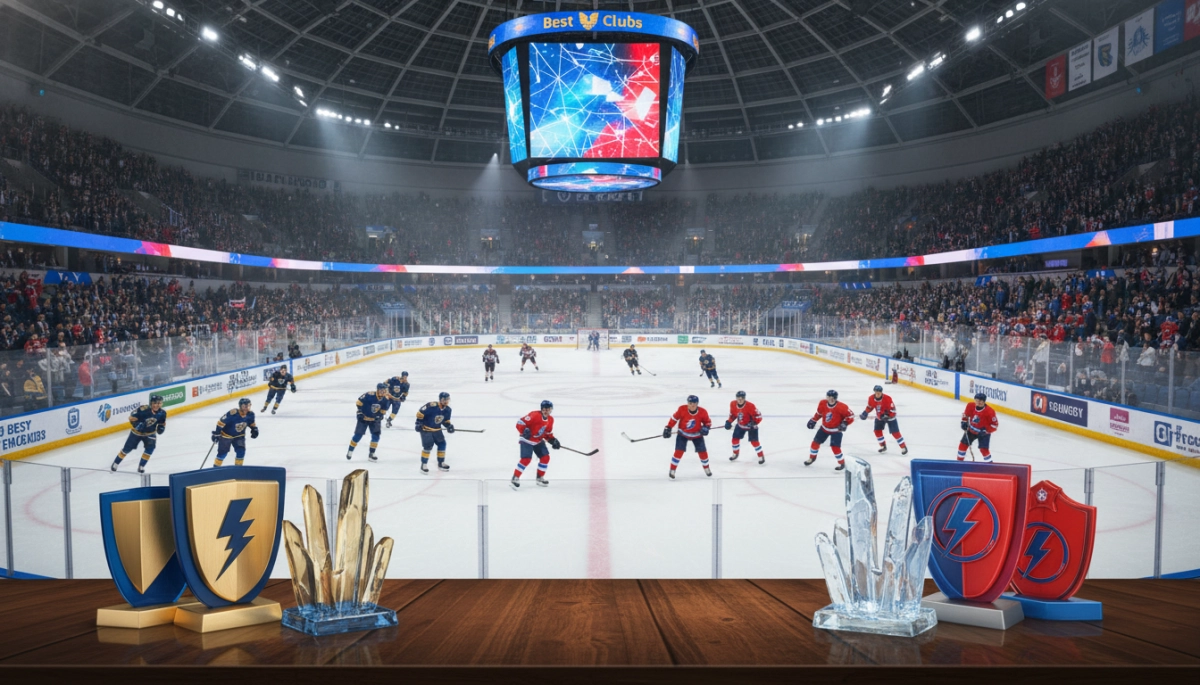
You encounter the Kontinental Hockey League (KHL) as more than a new competition; it was an attempt to unite post-Soviet and European hockey under a commercially ambitious banner. Launched in 2008, the league immediately aimed to raise standards on and off the ice, attract elite talent, and present a credible alternative to the NHL for top players. From the moment the first puck dropped, the league’s structure, financing models, and international ambitions forced clubs to rethink recruitment, arena development, and fan engagement.
When you study the KHL’s early years, you see a sports product shaped by regional geopolitics, corporate investment, and the legacy of Soviet hockey systems. Teams were not only sporting entities: many were linked to large industrial sponsors or municipal backers, which changed how rosters were built and how competitive balance evolved across seasons.
How the first seasons set patterns you’ll recognize later
Across the inaugural seasons, two patterns became clear. First, clubs with deeper pockets and modern management rapidly asserted themselves. These organizations invested in facilities, coaching staffs, analytics, and the ability to lure established international players. Second, the league’s cross-border nature—featuring teams from Russia, Belarus, Kazakhstan, Latvia and later other countries—created a mix of styles and tactical ideas that pushed teams to adapt quickly.
- You witnessed wealthy clubs using short-term contracts and high-profile signings to accelerate progress.
- Smaller-market teams relied on developing local talent and tactical discipline to compete.
- The league’s playoff format and travel demands placed a premium on depth and roster management.
Founding dynamics and the emergence of early powerhouses
As you explore the KHL’s formative seasons, certain teams repeatedly rose to the top and shaped public perceptions of what a “KHL powerhouse” looked like. Those clubs combined strong youth systems with savvy veteran recruitment and often benefited from stable, long-term investment from sponsors or city governments. Coaching continuity and the ability to retain core players through multiple campaigns were common traits among early dynasties.
At the same time, you see that the league’s structure allowed for dramatic postseason swings. The best regular-season team did not always win the championship; the playoffs frequently produced upsets that energized new fan bases and validated the competitive depth of the league. Upsets were often the result of tactical discipline, hot goaltending, or the emergence of homegrown talent performing above expectations when it mattered most.
Understanding these early mechanisms—investment, cross-border talent flows, and playoff volatility—prepares you to recognize how individual clubs built sustained success or staged surprise runs. In the next section, you’ll dive into specific dynastic clubs, examine the landmark upsets that defined their reputations, and trace how international players reshaped team tactics and identity.
Dynastic blueprints: clubs that built repeat success
When you look at the KHL’s repeat winners, a pattern of institutional solidity emerges more than mere luck. Successful clubs created a blueprint that combined steady financing, a coherent scouting network, and a culture that prioritized continuity over short-term headline signings. These organizations invested in junior development and coaching pipelines so that when veterans aged out, there was a next wave ready to step in without dramatic stylistic shifts. You’ll notice that dynasties were usually led by administrators who tolerated long-term planning — keeping coaches through rocky stretches, resisting knee-jerk roster overhauls, and balancing marquee imports with domestically produced talent.
Operational excellence off the ice translated into depth on it. Rosters built this way were resilient to injuries and the punishing travel schedule, and they matched top-end talent with reliable role players. That combination allowed powerhouses to be both explosive and disciplined: capable of winning a high-scoring affair or grinding out a low-event playoff series. Over time, these clubs set standards that others attempted to copy, accelerating professionalization across the league.
When the underdog bites back: KHL upsets that mattered
One of the KHL’s most compelling narratives has been how often lower-resourced teams produced momentous playoff upsets. You’ve seen programs from smaller cities use tactical clarity and goaltending that peaked at the perfect moment to topple fancied opponents. These shocks were not always flukes; they often exposed overreliance on star names, thin depth, or travel fatigue among the established powers.
Upsets also reshaped organizational thinking. After a few high-profile surprises, richer clubs began emphasizing depth and matchup planning rather than assembling star-studded top lines alone. For the league, these shock results cultivated drama and broadened fan engagement: suddenly, prospective champions weren’t limited to the traditional elites. As a result, upsets helped democratize belief — and investment — across markets, proving that smart strategy and temperament could momentarily equalize financial disparities.
Cross-border imports and the tactical remix
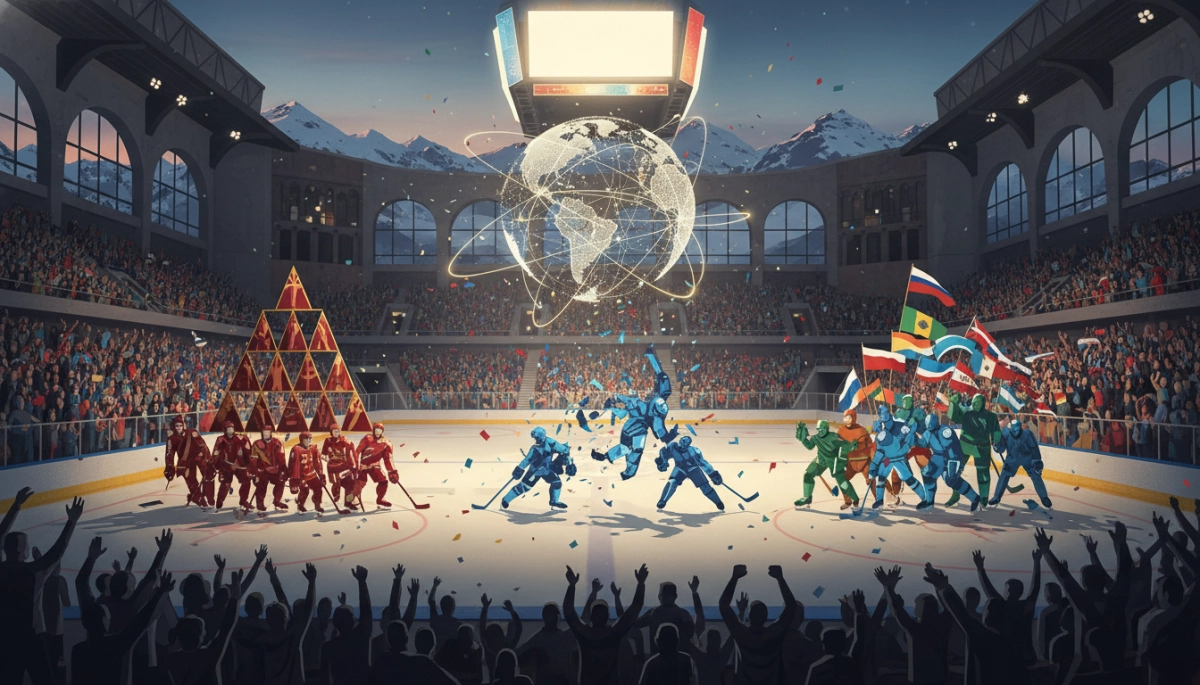
International players and coaches did more than raise the spectacle; they altered how the game was played across Eurasia. You can trace tactical shifts to the steady inflow of North American power forwards, European puck-moving blueliners, and veteran NHL coaches who introduced different systems, practice regimens, and analytic approaches. The KHL became a laboratory where contrasting philosophies — tight positional play from the Russian school, the puck-possession emphasis of Western Europe, and the physical, forechecking intensity of North America — were blended into hybrid systems.
This tactical remix influenced youth development and game-day choices alike: teams adopted faster transitional schemes, diversified power-play structures, and placed renewed value on versatile defenders who could skate out of trouble. Moreover, the international mix forced clubs to refine communication, culture management, and role definition so disparate players could cohere. In short, international influence didn’t just fill rosters; it rewired tactical DNA across the league.
As the KHL moves beyond its first decade and a half, the narratives you’ve followed — investment-led dynasties, playoff upsets, and an increasingly international coaching and player pool — are not static chapters but active forces shaping new experiments in team-building, fan engagement, and regional sports diplomacy.
Looking Ahead: The KHL’s Next Chapters
The league’s future will be defined less by repeating old templates and more by adaptation. Expect continued tension between commercialization and local identity, with clubs balancing global talent recruitment against investment in homegrown pathways. Travel logistics, arena modernization, and broadcast strategies will determine which markets can sustain long-term competitiveness, while political and economic shifts across Eurasia will influence sponsorship and expansion choices.
On the ice, tactical cross-pollination will deepen: young players trained in hybrid systems will make stylistic convergence more pronounced, but tactical innovation will persist where underdogs and resourceful coaches challenge orthodoxies. For observers and fans, the KHL will remain compelling because it is both a sporting competition and a stage for broader cultural and economic interactions — an ecosystem where surprises, rivalries, and institutional change continue to unfold. Follow official coverage and scheduling to stay current with developments on and off the ice: KHL official site.
Key Takeaways
- The KHL reshaped Eurasian hockey through investment-driven club models, international player flows, and a blend of tactical philosophies.
- Dynasties emerged from institutional stability and youth development, while upsets highlighted the strategic value of depth and goaltending.
- Looking forward, the league’s trajectory will hinge on adaptability to commercial, logistical, and geopolitical pressures.