






Why Finland Punches Above Its Weight in International Ice Hockey
You may have noticed how a country with a relatively small population consistently competes for medals at World Championships and the Olympics. Finland’s success isn’t an accident; it’s the result of deliberate systems you can analyze and learn from. When you look at Finnish hockey, you’ll see a blend of universal access, deliberate practice, and cultural values that favor team play and resilience. These elements combine to produce technically skilled, mentally tough players who transition well to professional leagues around the world.
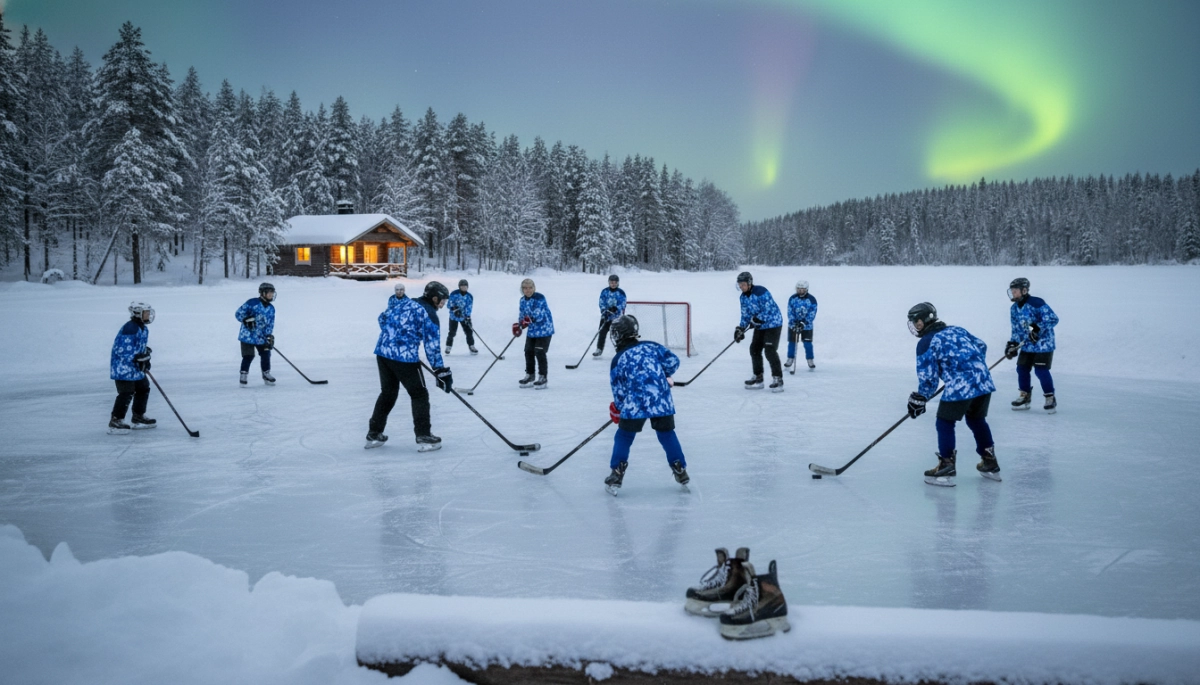
Local Rinks, Universal Access: How the Grassroots System Shapes Players
Before players ever join elite academies, they start in community clubs and municipal rinks that make hockey accessible. If you’re exploring how a national pipeline forms, note the pathways that begin at neighborhood levels:
- Low barriers to entry: Municipal investment in public rinks and school programs means more children try the sport early, increasing the talent pool you draw from.
- Club-based development: Local clubs provide structured seasons and age-appropriate coaching, so you see progression from playful skating to tactical game understanding.
- Emphasis on multisport participation: Finnish philosophy encourages children to play various sports, which helps you develop overall athleticism and reduces burnout.
These grassroots foundations mean that by the time players are identified for higher-level training, they already possess basic movement skills, comfort on ice, and a love for competition. If you examine talent identification in Finland, you’ll notice scouts and coaches value game sense and motor skills over early specialization.
Coaching Culture and Early Tactical Education
Coaching in Finland is standardized and coach education is taken seriously. When you interact with Finnish programs, you’ll find a consistent coaching philosophy from youth to junior levels that prioritizes decision-making, puck possession, and defensive responsibility. Key features you will recognize include:
- National coaching curriculum: A unified framework ensures that coaches teach the same core principles, so players experience continuity as they progress.
- Player-centered practices: Drills emphasize small-area games and problem-solving, encouraging you to make decisions under pressure rather than executing rote patterns.
- Mental skills and resilience: Coaches integrate psychological preparation—such as coping with setbacks and maintaining concentration—so players are mentally equipped for elite competition.
Because the coaching network focuses on producing smart, adaptable players, you often see Finnish prospects succeed in systems that demand both individual skill and collective discipline. This systematic approach at early stages creates the base for later specialized training and international success.
Next, you’ll examine how national competitions, junior leagues, and the pathway to professional clubs refine these foundations into elite-level performance.
National Competitive Structure: Junior SM-sarja, Mestis and the Pressure to Perform
After grassroots and coaching development, players enter a national competitive ladder designed to test and refine their skills. If you follow a Finnish prospect, you’ll see them move through clearly defined tiers that increase in physicality, speed, and tactical complexity. The Junior SM-sarja (U20) and U18 leagues function as high-level proving grounds where scouts and coaches evaluate how players respond to sustained competition.
- Graduated intensity: Each tier—U16, U18, U20—raises game tempo and strategic demands, so you can observe incremental growth rather than sudden leaps in responsibility.
- Opportunity for real game minutes: Coaches prioritize playing time for development. You won’t see youngsters sheltered on the bench; they gain experience in key situations so their decision-making develops under pressure.
- Cross-league competition: Tournaments and inter-league fixtures expose players to different playing styles and physical opponents, preparing you for the variety you’ll face overseas.
Beyond juniors, Mestis (the second-tier men’s league) and Liiga (the top professional league) provide a competitive continuum. If a player earns a spot in Mestis, they face older, stronger opponents—an essential step for physical and mental maturation. Liiga offers the tactical sophistication and professional expectations that signal whether a player is ready for international transfer or national team duties.
Bridging the Gap: How Clubs, Loans and Sports High Schools Smooth the Pro Transition
One of Finland’s strengths is how it manages the jump from promising junior to professional athlete. Clubs, educational institutions, and the national federation coordinate to make that transition manageable rather than abrupt. When you examine player pathways, you’ll notice systems built to preserve development momentum.
- Loan and affiliate systems: Young prospects commonly gain experience on loan in Mestis or strong junior teams. If you’re a coach, you’ll prefer a loaned player who receives 18–22 minutes a game to one sitting on a Liiga bench.
- Sports high schools (urheilulukio) and dual-career models: These schools let you continue formal education while training at elite levels, reducing the pressure to choose between schooling and sport and supporting long-term wellbeing.
- Club responsibility and individualized plans: Professional clubs invest in tailored progression plans—strength benchmarks, position-specific skills, and psychological targets—so you see a deliberate pathway instead of ad-hoc promotion.
Because of these mechanisms, you watch players develop confidence, adapt to pro schedules, and avoid the stagnation that can occur when talented teenagers get limited minutes on senior rosters.
Sports Science, Analytics and Holistic Player Support
Finally, elite Finnish development is backed by modern sports science and comprehensive support networks. If you study why Finnish prospects are durable and adaptable, technical coaching is only half the story—physiology, recovery, analytics, and mental performance complete the picture.
- Strength, conditioning and load monitoring: Clubs use periodized programs and GPS/heart-rate data to manage workloads so players peak at the right times and avoid overuse injuries.
- Video and data analysis: Coaches give you detailed feedback with video clips and performance metrics, linking subjective coaching points to objective indicators like possession time, shot quality, and decision speed.
- Medical, nutritional and psychological teams: Integrated support means a player with a setback receives coordinated rehab, dietary adjustments, and mental skills work—helping you return stronger and more resilient.
This blend of rigorous competition, managed transitions, and science-backed individual support explains how Finland consistently produces players who are technically savvy, physically prepared, and mentally resilient when they reach the highest levels of the sport.
Looking Ahead: Sustaining a System That Works
Finland’s model is less a static formula and more a living system—one that adjusts coaching methods, medical practices, and competitive structures as the sport evolves. Stakeholders who want to learn from that experience should focus on building institutions that prioritize long-term player wellbeing, coherent coaching education, and pathways that reward meaningful playing time over short-term results. For further reference on national programs and resources, see the Finnish Ice Hockey Association.
Ultimately, the Finnish example shows that elite outcomes follow when communities, clubs, schools, and federations coordinate around clear values: accessibility, thoughtful progression, and holistic support. Those principles can guide not only hockey development but broader youth-sport policy as well.
Key Takeaways
- Prioritize broad access and diverse early-sport experiences to enlarge and deepen the talent pool.
- Invest in standardized coach education and player-centered practices that develop decision-making and resilience.
- Create managed transition systems—loans, sports schools, and science-backed support—to convert potential into professional readiness.