







International hockey on the biggest stages: what you should expect
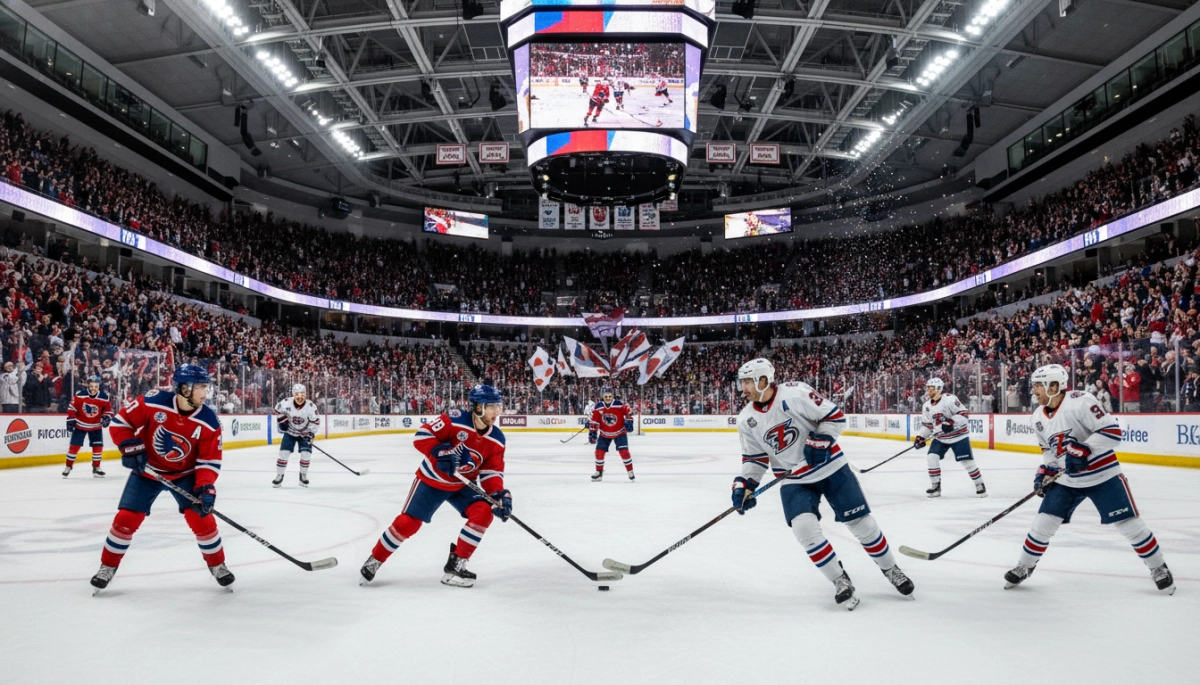
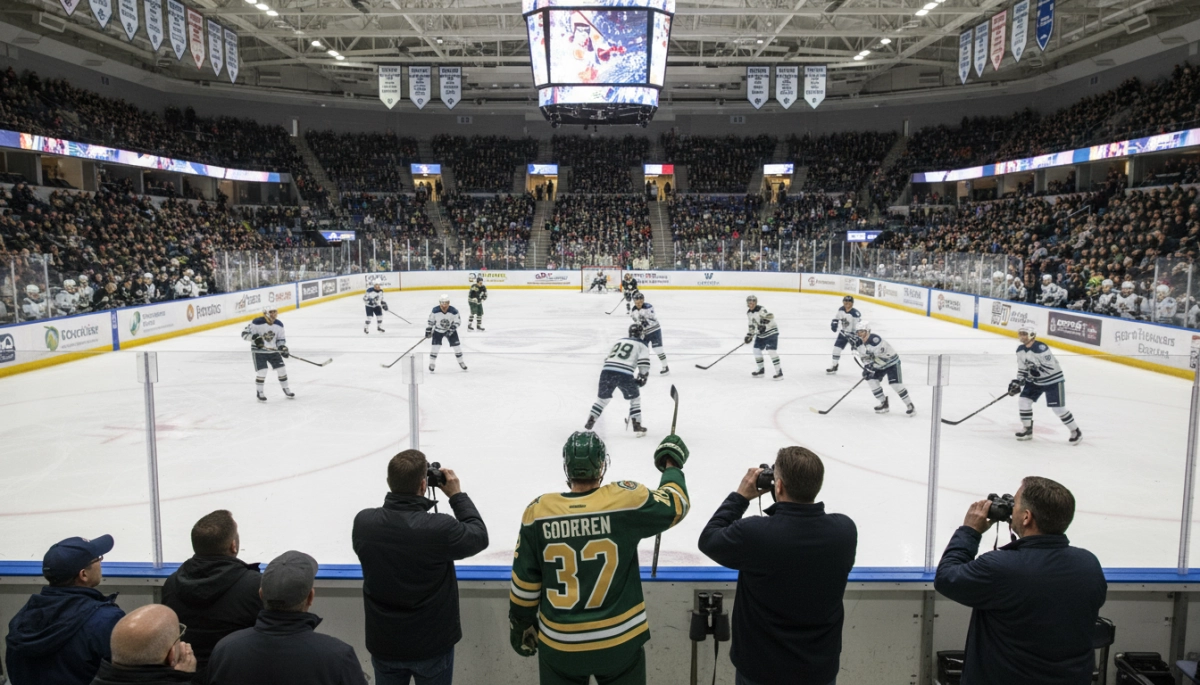
You follow the goals, the hype and the growing lists of NHL prospects, but international hockey tournaments operate under different rules, rhythms and stakes than club seasons. Understanding the distinctions between the World Junior Championship (World Juniors), the IIHF World Championships (Worlds) and Olympic hockey helps you appreciate why each event matters to players, scouts and national fans. This first part explains what sets these tournaments apart and why they play complementary roles in player development and national competition.
Why these three tournaments matter to you and your team
Each tournament has a unique purpose and audience, and you’ll notice the differences when you watch or analyze games:
- World Juniors is primarily a showcase for top under-20 talent. If you follow prospects, this is where you spot future professionals under pressure against their peers.
- IIHF World Championships feature senior national teams, often including experienced professionals whose club seasons have ended. You get a mix of established veterans and role players representing their countries.
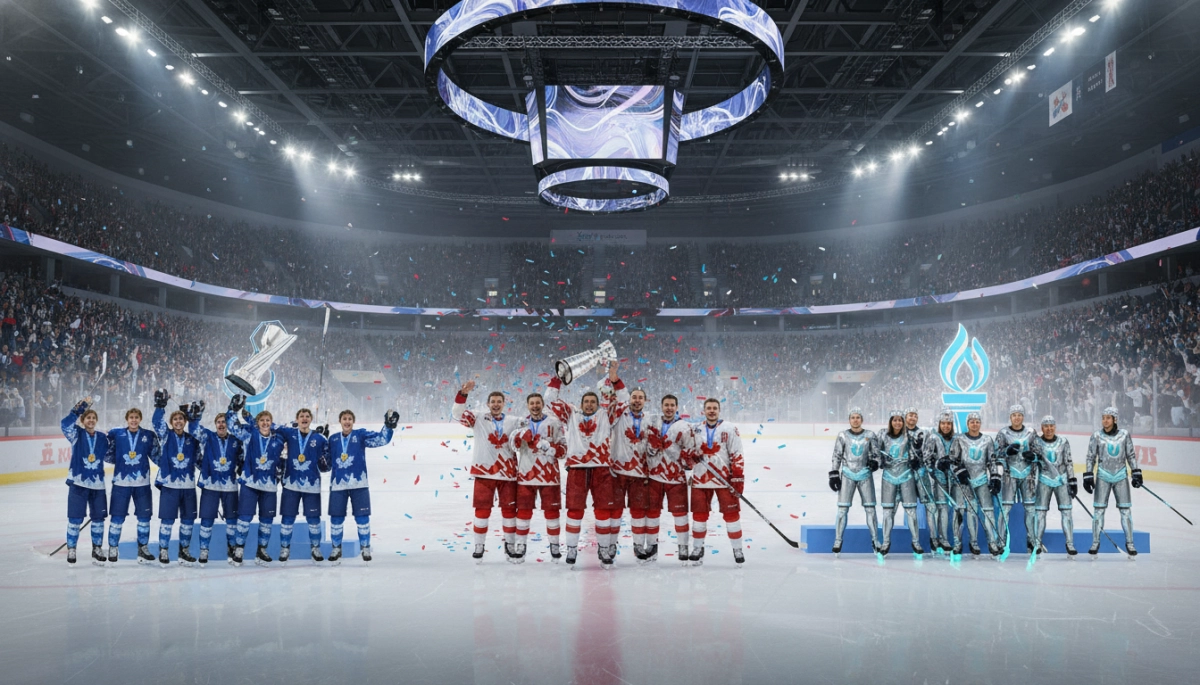
- Olympic hockey, when NHL players participate, delivers the highest-profile national matchups with global attention and huge emotional stakes. Even without NHL participation, the Olympics still provide national prestige and dramatic tournament narratives.
For you as a fan, analyst or scout, these events offer different takeaways: long-term scouting (World Juniors), mid-career international form and depth (Worlds), and national prestige and legacy (Olympics).
How age, eligibility and timing shape competition
The tournaments differ most noticeably in eligibility and scheduling, which shapes team rosters and styles of play:
- Age limits and eligibility
- World Juniors: Under-20 players (usually born in the same two-year window) representing their countries at the junior level.
- Worlds: No age limit — teams can field any eligible senior player, which often means those whose club seasons have finished are available.
- Olympics: Eligibility is determined by the IOC and IIHF rules and by professional leagues’ willingness to release players; when NHL players are allowed, teams field top talent regardless of age.
- Scheduling and player availability
- World Juniors: Held every December–January, overlapping the NHL season; NHL players under 20 who are eligible may be released by their clubs to play.
- Worlds: Held in May, concurrent with the NHL playoffs, so rosters often include players from non-playoff teams and free agents.
- Olympics: Every four years, typically mid-season; participation depends on league agreements and national selection policies.
These structural differences affect tactics, roster depth and the viewer experience: World Juniors emphasizes speed and raw skill, Worlds shows mature systems and depth, and the Olympics can be a blend of the two with enormous national pride on display.
Next, you’ll examine each tournament’s history, notable moments and the specific ways scouts and national programs use performances to evaluate and develop talent.
Historical moments that shaped each stage
When you look back at these competitions, certain games and eras stand out because they changed how fans, federations and scouts view international hockey. The Olympics carry the largest cultural moments—the 1980 “Miracle on Ice” remains an example of national identity and upset lore, and more recently Sidney Crosby’s overtime winner in Vancouver (2010) became shorthand for hockey drama and the value of star power on the Olympic stage. Those moments show how a single game can redefine careers and national narratives.
The World Junior Championship has its own mythology built on sudden-death drama, breakout performances and national obsession. For many countries, the tournament is a yearly focal point for youth development and a pressure cooker where future leaders are forged. Even if a specific result slips from memory, you’ll often recall a tournament where a player’s draft stock leapt overnight after a week of elite-level performance.
IIHF World Championships occupy a different historical niche. Because they recur every spring, they’re the place where mid-career resurgences, veteran leadership and coaching philosophies become visible. The tournament’s history includes periods when geopolitical changes and league agreements reshaped who could attend, and moments when non-traditional hockey nations announced themselves with upset wins—signals that investment in development was paying off.
Together these tournaments have influenced rule interpretations, scouting practices and player movement. National programs adjusted calendars and junior pathways in response to recurring patterns (for example, prioritizing late-December prep for World Juniors or creating mechanisms to release players for Olympic duty). Understanding those historical inflection points helps you see why federations and clubs treat each event differently today.
How scouts and national programs use performances to make decisions
For you as a scout or development staffer, these tournaments are high-signal environments—if you know how to read them. The World Juniors provide concentrated viewings of top-age talent against peers; scouts track compete level, decision-making speed, and resilience under pressure. You pay special attention to players getting top-line or special-teams minutes, because how a prospect responds in key moments (penalty kill, late-game defending a lead, power play setup) often predicts NHL readiness better than raw stats.
At the World Championships, evaluators look for mature traits: consistency over a week-plus, ability to play multiple roles, and how a player handles varied ice time and matchups. Because rosters mix stars and role players, you can assess depth performers who might be called upon at the pro level. International competition also provides a testing ground for players coming off injuries or a slow club season; a strong Worlds can revive a market value or earn a contract overseas.
Olympics—when top pros attend—serve as a final exam in elite competition. National teams and NHL observers use Olympic showings to validate systems, assess chemistry between top players, and observe leadership under global scrutiny. Federations sometimes use Olympic cycles to identify potential program coaches, to benchmark development progress, and to negotiate player-release agreements with leagues.
In practice, you combine quantitative and qualitative inputs: ice-time patterns, zone starts, special-teams usage, plus visual reads on compete, spatial awareness and adaptability to international officiating and rink sizes. Taken together, a single tournament can reshape a player’s trajectory or confirm a national program’s long-term strategy.
Final notes for following international hockey
International tournaments are as much about narratives and national identity as they are about on-ice evaluation. Whether you’re a scout, a coach, or a fan, approach each event with context: know the roster constraints, the timing relative to club seasons, and what a strong or weak performance really implies for a player’s path. Use game tape and role-based analysis over raw boxscore outcomes, and remember that single-tournament results are signals—not definitive judgements.
For schedules, official rosters and tournament formats, consult the governing body’s listings before planning viewing or scouting priorities: IIHF tournament calendar.
Key Takeaways
- World Juniors spotlight top under-20 talent and are high-signal for prospect evaluation.
- IIHF Worlds reveal depth, mid-career form and how players perform in senior international systems.
- Olympics (when NHL players attend) combine elite competition with national prestige and high-stakes chemistry tests.