








Why American Ice Hockey Matters to Fans and Aspiring Players
You’re stepping into a sport that mixes fast-paced action, deep regional loyalty, and a clearly mapped development ladder. In the United States, ice hockey isn’t just a professional league — it’s a system that moves players from youth rinks to college arenas, minor-league barns, and finally to the NHL’s biggest stages. Understanding how these pieces fit together helps you follow careers, evaluate prospects, and appreciate how teams build championship rosters.
How the NHL Fits into North American Sport Culture
The National Hockey League (NHL) is the top professional league in North America and the central focus of American ice hockey’s visibility. You’ll find 32 teams split into two conferences (Eastern and Western) and four divisions. The regular season determines playoff seeding, and the winner of the playoffs earns the Stanley Cup — the sport’s most prestigious trophy. Regular-season play includes an 82-game schedule (home and away), a points system for standings, and a salary-cap structure that forces teams to balance star salaries with depth.
As a fan or follower, recognize these NHL features:
- Divisions and conferences guide scheduling and rivalries, shaping the regular-season intensity.
- The NHL Entry Draft (each summer) is a primary way teams acquire young talent from juniors, colleges, and European leagues.
- Collective Bargaining Agreement (CBA) rules, like salary cap and contract limits, affect roster construction and trades.
Where Pros Are Born: The AHL and College Hockey Pathways
If you want to trace an NHL player’s likely route, two places matter most: the American Hockey League (AHL) and NCAA college hockey. The AHL functions as the NHL’s principal minor league. Each NHL franchise typically has an AHL affiliate where prospects gain professional experience, adapt to a heavier schedule, and refine systems before a full NHL promotion. You’ll notice faster skating, physical play, and a stronger emphasis on two-way responsibility in the AHL compared with junior leagues.
College hockey (NCAA Division I and Division III) is another dominant pathway, especially for American-born players. In college, you can follow players as they balance academics with a high level of competition. Key points to know:
- NCAA hockey seasons are shorter than the pro schedule but intense — conference play, regional matchups, and the national Frozen Four tournament decide the collegiate champion.
- College allows longer development windows; many players enter the NHL as older, more physically mature prospects.
- Scouts evaluate college players differently — performance against older peers, leadership, and consistency often matter as much as raw skill.
With this foundation—how the NHL operates and how the AHL and college systems feed it—you’re ready to look at how international tournaments and developmental leagues influence scouting, playing styles, and global competition. In the next section, you’ll explore the major international events, how U.S. teams participate, and why those tournaments matter for player development and national pride.
Major International Tournaments and How the U.S. Competes
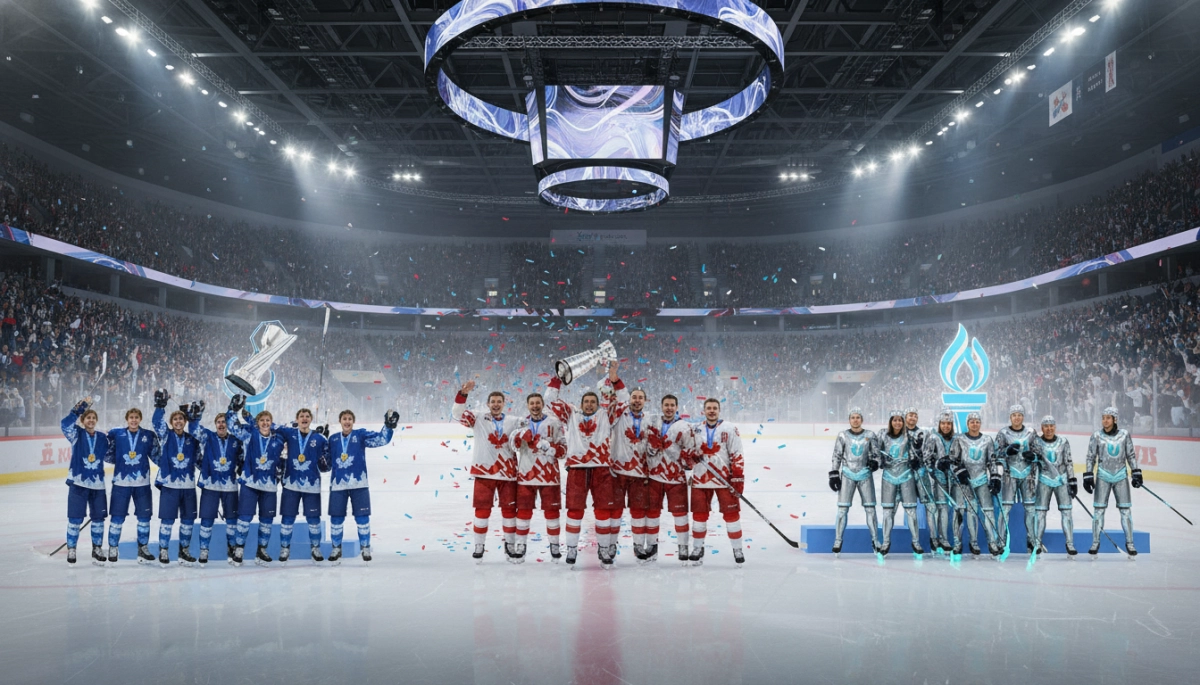
International hockey gives fans and prospects a different lens on the sport. The key events to watch are the IIHF World Championship (senior men), the IIHF World Junior Championship (U20), the IIHF U18 Championship, the Winter Olympics, and occasional tournaments like the World Cup of Hockey. Each has its own timing, eligibility and competitive flavor:
- IIHF World Championship: Held every spring, often overlapping the NHL playoffs. NHL players whose teams miss the playoffs typically join Team USA, while many prospects from college and the AHL also get roster spots.
- World Junior Championship (U20): A December–January showcase that commands huge attention for evaluating draft-eligible players. Strong performances here can significantly boost a player’s draft profile and perceived readiness.
- U18 and other junior tournaments: Early international exposure for younger prospects; scouts use these events to compare age-group peers on the world stage.
- Winter Olympics and World Cup of Hockey: The pinnacle for senior teams when NHL participation is permitted. Olympic hockey emphasizes national pride and usually features the best available players when agreements allow.
For the U.S., Team USA is built from multiple pipelines: NHL veterans, collegiate stars, AHL pros, and junior players from the USA Hockey National Team Development Program (NTDP). The mix varies by tournament, but the structure emphasizes identifying complementary skill sets—speed, puck-moving defense, and goaltending—while relying on the country’s deep college and junior development system.
Why International Play Matters for Development and Scouting
International tournaments are high-leverage scouting events. They force players into short tournaments against top peers, revealing how individuals handle pressure, coaching systems, and unfamiliar opponents. For scouts and coaches, the things that stand out are:
- Decision-making under time pressure—does a prospect make smart plays when the margin for error is tiny?
- Adaptability—can a player thrive under different refereeing, rink sizes, or tactical roles?
- Competitiveness and leadership—team tournaments put a premium on grit, especially in elimination games and medal rounds.
Performances in the World Juniors, for example, can accelerate an NHL entry, while a steady showing at the World Championship can validate a late-developing college player’s pro readiness. For aspiring players, international experience is a resume builder; for fans, it’s a primer on future NHL storylines.
How Global Styles Influence the American Game
International exposure also shapes playing styles. Traditionally, North American hockey emphasized physicality, north-south speed and dump-and-chase strategies; European teams favored puck possession, creative zone entries and wider-ice tactics. Over the last two decades those lines have blurred:
- NHL teams increasingly recruit European puck skills and positional mobility, blending them with North American work ethic and physicality.
- U.S. development programs—particularly the NTDP and college systems—have incorporated more emphasis on skating, puck skills and analytics-driven tactics to keep pace with global trends.
- Young Americans heading to European leagues or international tournaments return with refined decision-making and spatial awareness learned on larger ice surfaces.
For fans tracking prospects, noticing how a player adapts to different styles will tell you whether they’re a specialist or a versatile asset. For coaches and players, embracing the best elements of both traditions—skill, speed, structure and compete level—creates the most complete modern players.
Taking Part: How Fans and Players Can Get Involved
Whether you’re a lifelong fan or a parent of a youth skater, there are clear, practical ways to deepen your connection to American ice hockey: buy a ticket to an AHL or college game to experience the pace and atmosphere in a smaller venue, follow prospect coverage during draft season, or volunteer with a local rink or youth program to support development at the grassroots level.
If you’re a player or coach, prioritize consistent skill work, smart strength and conditioning, and exposure through camps, showcases, or sanctioned leagues. Use video and analytics to track progress, and balance on-ice effort with off-ice preparation like nutrition and recovery—those habits separate long-term contributors from short-burst performers.
For registration, local program info, and national resources, start with organizations that connect community hockey to higher levels of play—see USA Hockey for clinics, safety guidance, and certification pathways. Engage locally, stay curious about the game’s evolution, and you’ll find plenty of ways to participate beyond just watching the NHL.
Key Takeaways
- Attend or follow AHL and college games to see future NHL players and experience development-level hockey up close.
- International tournaments and varied leagues accelerate player growth by testing adaptability, decision-making, and competitiveness.
- Get involved locally—volunteering, youth registration, and attending smaller-venue games are practical steps to support and enjoy the sport.