






Why the Hockey Hall of Fame Still Captivates You
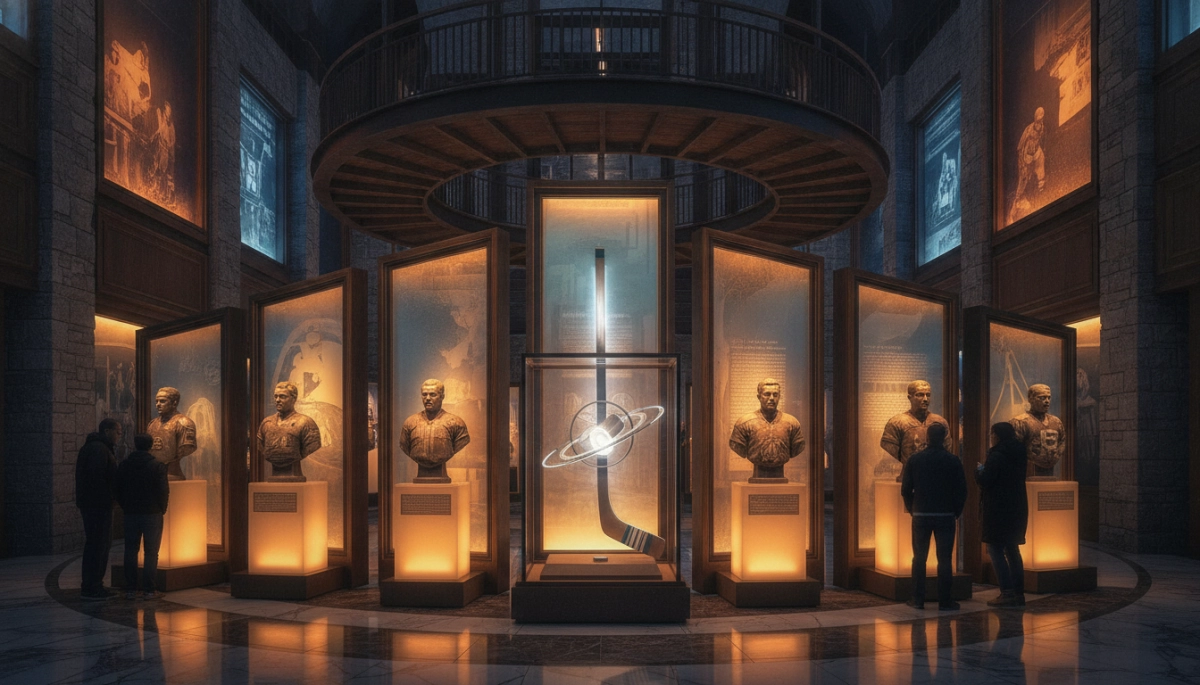
You likely think of the Hockey Hall of Fame as the ultimate badge of hockey immortality — and for good reason. It does more than enshrine statistics: it preserves stories of skill, resilience, leadership, and cultural impact. When a player is inducted, you’re not just celebrating goals and saves; you’re recognizing the moments that changed games, seasons, and sometimes the sport itself. That context helps you understand why certain careers stand out to the selection committee and to fans around the world.
The Hall serves multiple audiences: you as a fan who remembers iconic plays, historians who map the evolution of the game, and younger players who look for role models. The narrative behind each induction often reveals how personal background, community influence, and defining career moments combined to create a legacy. In Part 1, you’ll explore how those narratives often begin long before the NHL spotlight — in junior leagues, international tournaments, and early professional seasons that hint at greatness.
How Early Career Achievements Shape a Hall of Fame Trajectory
If you want to predict which players will eventually merit Hall recognition, start by examining their early career arc. The selection committee watches for patterns that indicate sustained excellence rather than a single spectacular season. Early indicators include rapid development after draft day, the ability to impact winning immediately, and early award recognition. Those milestones don’t guarantee induction, but they build the narrative that you — and the committee — will remember when evaluating a career.
Key early-career milestones the committee notices
- Immediate impact: Rookie seasons that change team fortunes or earn rookie honors often become foundational parts of an induction story.
- Award recognition: Early trophies — Calder, international medals, or league MVPs — amplify a player’s reputation and are frequently cited in Hall arguments.
- Playoff performance: Clutch contributions in early postseason runs create lasting memories that weigh into candidacy.
- Leadership emergence: Captains or young leaders who transform locker-room culture show qualities the Hall values beyond point totals.
- Technical innovation: Players who redefine a position or introduce new techniques often receive historical credit later in their careers.
From junior standout to Hall of Fame narrative
Many Hall stories begin in places you might not expect: small-town rinks, overseas leagues, or junior circuits where a player’s style and character first draw attention. Scouts and early coaches often spot intangibles — competitiveness, adaptability, work ethic — that later translate into pro longevity. You’ll notice a common theme: early adversity or a breakthrough season creates a compelling arc, turning ordinary prospects into lasting legends in the public mind.
With those early patterns in mind, you’ll be better equipped to read the full career narratives and understand why some players move from being celebrated talents to Hall of Fame inductees. Next, you’ll explore the formal selection criteria and committee dynamics that turn those early indicators into official honors.
Inside the Selection Room: How the Committee Evaluates Candidates
When you imagine the Hall of Fame vote, picture more than a simple tally of goals and wins — it’s a deliberative process rooted in both objective metrics and storytelling. The selection committee — composed of former players, executives, media members, and historians — balances raw statistics with context: era, teammates, role on the team, and circumstances such as injuries or lockouts. The committee uses several informal lenses to assess a candidacy.
- Performance and consistency: Peak seasons are weighed alongside career-long steadiness; a player who dominated for a shorter period may face a tougher case than one who performed at a high level for many years.
- Impact on winning: Playoff heroics, leadership in championship runs, and ability to elevate teammates often tip votes.
- Historical contribution: Did the player change how the position is played, or leave a tactical legacy?
- Character and reputation: Sportsmanship and off-ice conduct are debated, particularly when controversies cloud on-ice accomplishments.
Discussions can be lengthy and subjective. Advanced analytics have entered conversations, but the “eye test” and peer testimonials still carry weight. Ultimately, the committee’s job is to put a coherent narrative around why a career deserves permanent recognition — and that narrative must survive both statistical scrutiny and human judgment.
Mid- and Late-Career Milestones That Cement a Case
Early promise opens the door, but mid- and late-career achievements often lock it shut. The committee looks for evidence that a player didn’t merely flash brilliance, but built and sustained a legacy. Key elements include maintaining elite performance into the later stages of a career, accumulating signature postseason moments, and reaching milestones that resonate across eras.
- Sustained excellence: Multiple All-Star selections, major awards, or top-season finishes spread across a decade strengthen a candidacy.
- Playoff legacy: Consistently contributing in postseason play or being a central figure in multiple deep runs creates durable memories that voters cite repeatedly.
- Adaptability: Reinventing one’s game to remain effective — whether through positional shifts, adjusted roles, or mentorship — demonstrates lasting value to the sport.
- Milestone thresholds: Career totals and record benchmarks serve as shorthand for achievement, even as committees consider era differences.
In short, the middle and end of a career reveal whether early excellence was the start of a true legacy or simply a bright chapter.
Off-Ice Influence, Reputation, and the Politics of Induction
Induction isn’t decided solely in game logs. Off-ice contributions — community work, international ambassadorship, coaching, and media presence — shape how a player is remembered. The Hall recognizes those who expand hockey’s reach or serve as role models, but it also confronts complicated reputations when conduct or legal issues arise.
- Community and growth: Players who help develop youth programs, grow the sport in new markets, or elevate hockey’s profile overseas earn additional consideration.
- Post-retirement roles: High-profile coaches, executives, or broadcasters may gain visibility that reminds voters of a candidate’s career impact, though these roles alone won’t secure induction.
- Controversy and redemption: The committee navigates difficult moral questions — weighing on-ice greatness against off-ice transgressions and considering evidence of reform or ongoing harm.
- Political and market pressures: Fan campaigns, media narratives, and team allegiances can influence perceptions, but the committee strives to focus on enduring contributions rather than short-term sentiment.
Understanding these off-ice dynamics helps you see why some deserving figures wait longer for recognition, while others sail through — and why each induction becomes as much about values and memory as it is about numbers.
Looking Ahead: The Living Story of Hockey’s Greats
The Hall of Fame will continue to evolve as hockey itself changes — new playing styles, analytics, international talent pools, and expanded visibility for women’s hockey will all shape future inductions. What remains constant is the conversation: each candidate forces fans, journalists, and voters to balance numbers with narrative, achievement with meaning. That dialogue keeps the Hall relevant and invites fresh perspectives on what legacy should look like.
How fans can stay engaged
- Follow official announcements and induction schedules — for the latest listings and biographies, check the Hockey Hall of Fame.
- Watch debates calmly and critically: learn the metrics, listen to contemporary voices, and weigh context over instant reaction.
- Support the grassroots that produce future legends by attending local games, donating to youth programs, or volunteering as a coach or mentor.
- Remember that legacy-building is ongoing: retirements, post-career contributions, and changing social standards all reshape how we judge greatness.
Parting thought
Inductions will always spark debate — and that’s a strength, not a flaw. The Hall of Fame is a mirror reflecting both the sport’s past and its possible futures. Your engagement—by paying attention, asking questions, and valuing both statistics and story—helps ensure that the institution remains meaningful for generations to come.