






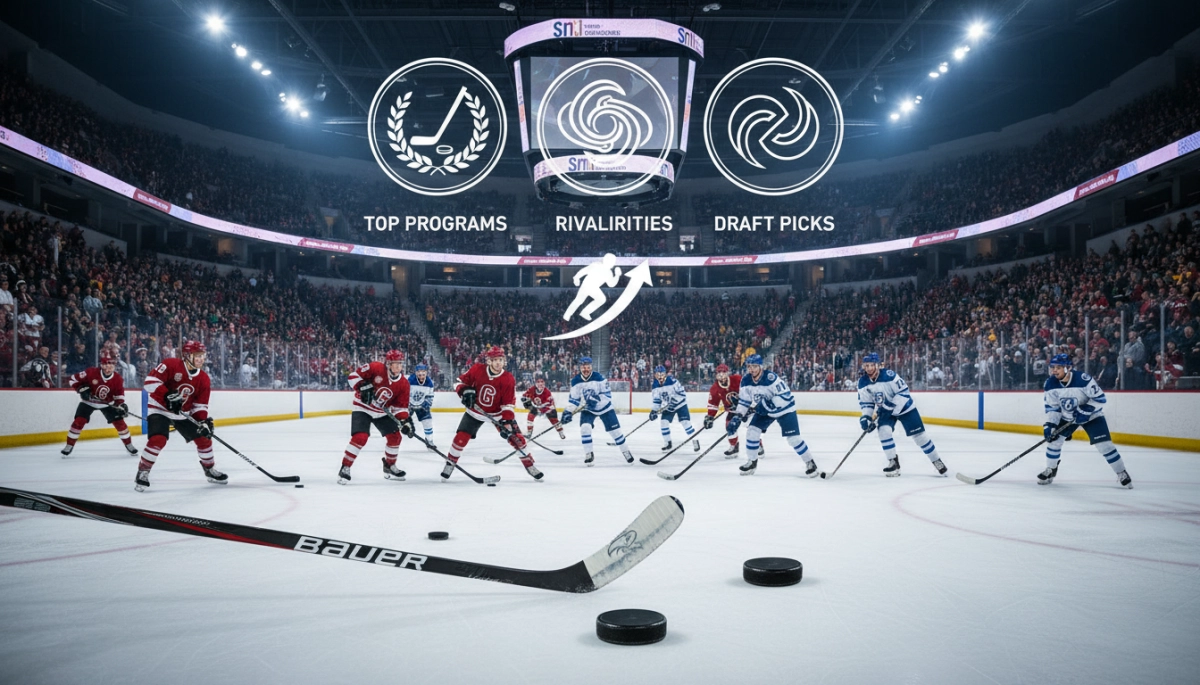
Where college hockey fits in the broader U.S. sports and hockey ecosystem
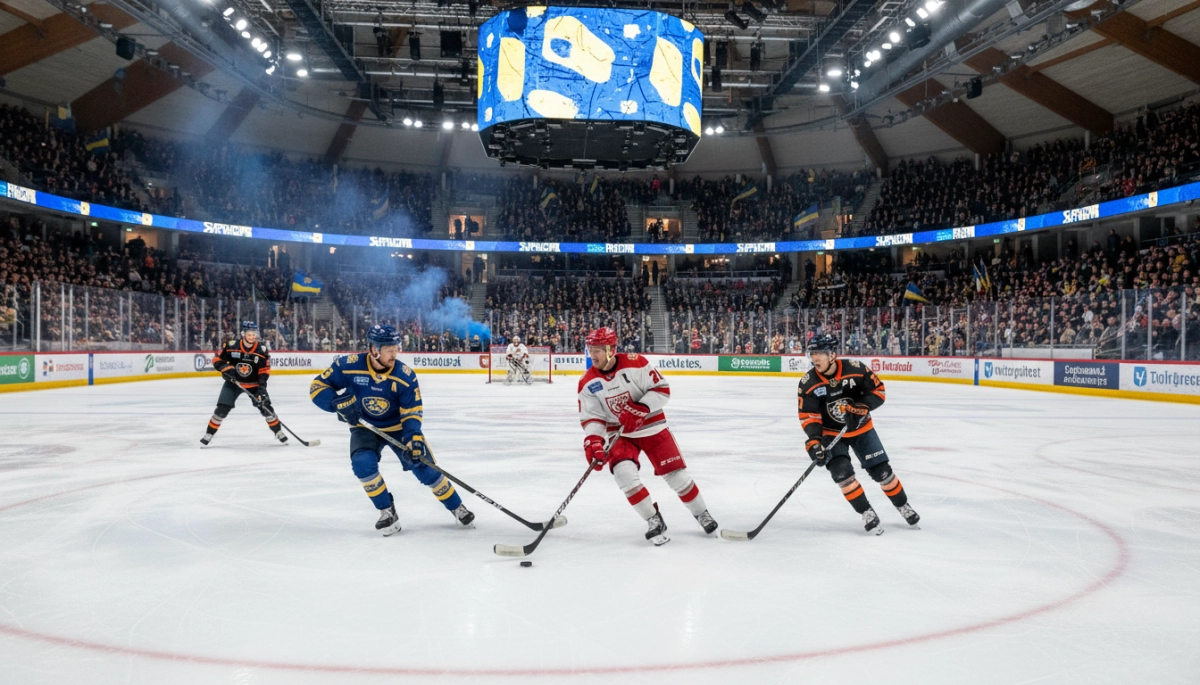
You follow hockey because of the speed, the skill, and the stories behind each roster. College hockey in the United States is a critical proving ground for players and a cultural cornerstone in many communities. Unlike major junior leagues in Canada, the NCAA blends high-level competition with academic development, so you’ll see athletes who are refining their game while earning degrees. This setup affects scouting, team-building, and the timing of when players enter the NHL draft.
How the NCAA path impacts player development and scouting
When you track prospects, pay attention to how college schedules, strength of competition, and coaching philosophy influence development. Players often arrive at college a few years older and more physically mature than their junior counterparts. That maturity, combined with a rigorous schedule and exposure to national tournaments like the Frozen Four, frequently leads to steadier projection profiles for NHL teams. Scouts value the sustained competition over multiple seasons, which helps you separate flash from long-term potential.
Leading programs you should know and what makes them successful
Several U.S. college programs have built reputations as NHL talent factories and perennial national contenders. If you want to understand why certain schools dominate, focus on recruiting networks, coaching stability, facilities, and a track record of sending players to the NHL. Below are programs you’ll often see at the top of rankings and in draft reports.
- University of Minnesota (Golden Gophers) — Deep recruiting in the Upper Midwest and a tradition of producing skilled, well-rounded players who are NHL-ready.
- Boston University — A long history of elite coaching and a winning culture in Hockey East that accelerates development.
- Boston College — Strong academic-athletic balance and consistent presence in national tournaments, known for producing high-end draft talent.
- University of Michigan — Recent investments in facilities and recruiting have made Michigan a top destination for U.S. and international prospects.
- University of North Dakota — A pipeline to the pros with a rugged style and strong alumni connections to the NHL.
- University of Denver — Western stalwart with a pro-style program and frequent Frozen Four appearances.
What to watch in early-season matchups and rankings
Early-season non-conference games and holiday tournaments give you a preview of which teams are primed for deep runs. You should watch goaltending consistency, special teams performance, and how freshmen adapt to the college game—these indicators often predict which programs will produce high draft picks or become national contenders by March.
With this foundation—how the NCAA shapes prospects and which programs consistently deliver talent—you’re ready to dig deeper into individual draft pedigrees and the rivalries that fuel the sport. In the next section, you’ll explore the most prolific NHL draft pipelines and the storied rivalries that define college hockey’s most intense matchups.
The NHL draft pipelines: which programs consistently feed the pros and why
When you look at draft boards year after year, patterns emerge: certain schools reliably place multiple players into the early rounds, while others produce steady mid- and late-round talent that develops into NHL contributors. That consistency usually comes down to a few concrete advantages—access to elite recruits, coaching staffs that emphasize pro-style systems, day-in/day-out competition, and strong relationships with NHL organizations and scouts.
Programs that combine national recruiting reach with high-level coaching tend to generate the most draft interest. Those teams put players in situations that mirror the professional game—structured systems, heavy video work, and strength programs that prepare prospects for the physicality of the next level. You should also track how programs handle development timelines: NHL teams increasingly like college-bound prospects to stay and grow for multiple seasons, so schools that offer clear individualized development plans often see their players rise on draft boards over time.
Beyond team reputation, what scouts actually evaluate gives you the clearest signal. Look for reliable five-on-five impact (possession and expected goals), special teams competence, and consistent performance in marquee matchups. For goalies, adjusted save percentage and rebound control against high-danger chances matter most. Keep in mind the USNTDP remains a major source of early picks, but the NCAA pathway has become a favored route for late bloomers and players seeking polish before pro life—so watching how many underclassmen get early-season minutes and how freshmen respond to adversity can predict who will be NHL-ready when their names are called.
Rivalries that define intensity — and why they matter beyond the Zamboni
Rivalries are the heartbeat of college hockey: they drive ticket sales, fuel recruiting narratives, and create the high-pressure environments where scouts separate prospects who can elevate their game from those who fold. The Beanpot in Boston turns a midwinter city into a scouting showcase; Michigan vs. Michigan State carries in-state recruiting implications and enormous fan energy; Minnesota vs. Wisconsin and North Dakota vs. Minnesota are examples of regional battles that shape recruiting pipelines across the Upper Midwest. Out west, longstanding clashes like Denver vs. Colorado College keep local traditions alive and attract national attention.
These matchups matter because they concentrate exposure. Coaches use rivalry weekends to test special teams and deployment under stress; NHL scouts use them as stress tests for temperament. For players, standout performances in a heated rivalry can change draft conversations overnight. Rivalries also affect roster building—schools bolster recruiting in areas where rival programs have sway, and alumni pressure can shape coaching decisions. In the modern era, conference realignment and the transfer portal have added new layers: rivalries evolve, but the intensity remains, and for anyone following college-to-pro trajectories, rivalry games are where you’ll often spot players ready for the next step.
The Final Whistle: How to Keep Following the Game
College hockey moves quickly—on the ice and in the headlines. Whether you’re tracking draft prospects, rooting for a historic rivalry, or simply enjoying the atmosphere of a weekend series, staying engaged means paying attention to schedules, player usage, and how programs adapt through recruiting and the transfer portal. Attend a game, follow local reporting, and use official resources to catch marquee events and roster updates.
For schedules, tournament info, and official statistics, the NCAA maintains up-to-date coverage that’s useful for fans and scouts alike: NCAA Men’s Ice Hockey. Keep an eye on early-season non-conference matchups and holiday tournaments—those weekends often reveal who’s trending up or down and which players are ready for the next level.
Key Takeaways
- College hockey blends competitive development with academics, making it a prime route for polished, NHL-ready prospects.
- Rivalry games and marquee matchups concentrate exposure and reveal which players can perform under pressure.
- Watch early-season non-conference play, special teams, and freshman adaptation to spot future draft-impact players.