







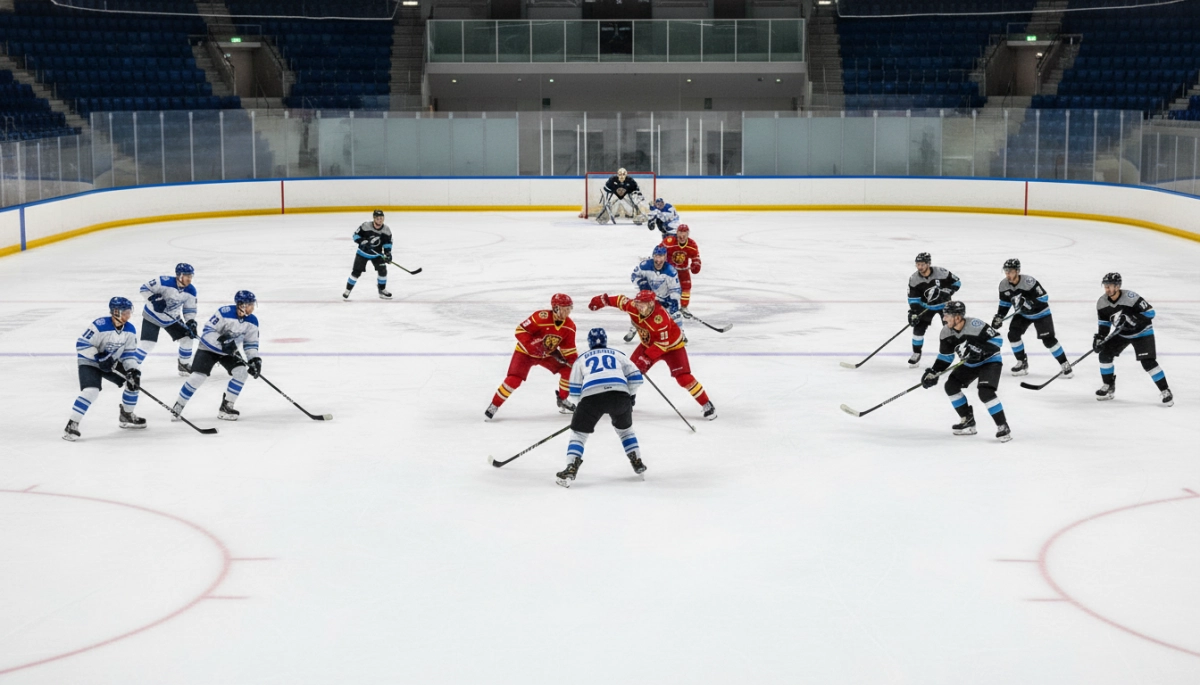
Why this KHL season is unmissable for fans of high-level hockey
You follow hockey because you want to see elite skill, inventive tactics, and the development of the next generation of stars. This KHL season delivers all three. Several clubs have blended established international talents with younger prospects, while coaching staffs are experimenting with systems that emphasize speed, zone exits, and adaptable special teams. As a viewer, you’ll notice a faster pace and more transitional offense than in previous years, and that makes selecting which teams to follow a more strategic choice than just cheering for the usual favorites.
Beyond the ice, roster construction and midseason transfers often shift competitive balance quickly in the KHL. You should watch teams that pair world-class scorers with structurally disciplined defense, as those squads tend to sustain success through the long regular season and into the playoffs. Equally compelling are clubs investing heavily in goaltending and analytics — those investments can flip game outcomes and reveal hidden contenders you might otherwise overlook.
Teams worth your attention: a guide to talent, tactics, and storylines
To help you choose where to focus your viewing time, consider a mix of traditional powerhouses and emerging challengers. Each team below represents a clear reason to tune in this season, whether that’s a star-studded offense, a generational goalie, or a coaching shift promising tactical innovation.
SKA Saint Petersburg — star power and depth
SKA remains a headline act because it assembles top-tier offensive talent across its forward lines and pairs them with veteran defensemen who can manage puck possession. You should pay attention to their power play schemes and how they maintain production when opponents employ aggressive neutral-zone pressure. Expect explosive scoring nights and deep postseason expectations.
CSKA Moscow — structure, coaching, and player development
CSKA blends intense defensive structure with quick transition play. If you study how they cycle between zone pressure and rapid breakouts, you’ll see why coaching continuity matters. Watch their younger forwards — this is where development narratives often start and where future NHL prospects announce themselves.
Avangard Omsk and Metallurg Magnitogorsk — hybrid contenders
Both clubs demonstrate hybrid approaches: physical play from the defensive zone combined with opportunistic offense. Avangard often leans on gritty forechecking and size, while Metallurg may surprise you with synchronized line chemistry and special-teams execution. These teams are good bets for high-intensity, tight-checking games that hinge on goaltending performance.
- Key trend to monitor: the rise of puck-possession metrics influencing lineup decisions.
- Special teams focus: expect coaching adjustments to power play formations midseason.
- Goalie impact: single goaltender performance still regularly decides playoff-caliber clashes.
With these teams and themes in mind, you’re primed to follow the most consequential matchups; next, you’ll get a game-by-game look at roster keys, breakout players to watch, and when to catch the season’s most important contests.
Matchups to circle this season — timing and narratives
Not every game is created equal. Some matchups carry extra narrative weight because they test stylistic contrasts or spotlight pending roster decisions. Early-season dates between SKA and CSKA remain must-see: one showcases star-driven offense, the other disciplined structure, and the games often reveal who adapts faster to opponent adjustments. Equally compelling are Avangard or Metallurg games when they meet defensively stout clubs — those contests tend to be low-event affairs decided by special teams and goaltending, so watch the penalty-kill pairs and backup netminders who may steal starts.
Look for a handful of calendar moments: the season openers, the midseason All-Star break (when teams may shuffle lines and veterans return from international duty), and the post-transfer-window stretch. Late January and early February — after clubs finalize roster moves — often produce a flurry of meaningful clashes as new signings are integrated. Also circle rivalry weekends: regional derbies, outdoor showcase games, and fixtures tied to playoff rematches from last year. Those arenas carry extra atmosphere and often force coaches to shorten their bench, revealing which depth pieces are truly playoff-ready.
Breakout players and the X-factors who can tilt the table
Every season has a handful of players who change perceptions. Instead of naming specific breakout candidates (which can vary with injuries and transfers), track the roles that most often produce surprises: young two-way centers granted top-six minutes, defensemen trusted with power-play time, and backup goalies stepped into starter workloads. When a team hands increased responsibility to these players, expect production spikes — and watch coaches’ line-matching decisions, because they will either protect or expose those youngsters.
X-factors come in predictable forms. A reliable shut-down defender added to a middle pairing can convert a good team into a defensive lock; a veteran winger returning from abroad can immediately upgrade a power play; and an upstart goalie with advanced save metrics can stretch a club deeper into postseason contention. Keep an eye on ice-time trends during the first quarter of the season — that’s when coaching staffs reveal trust patterns and where breakout candidates either cement their roles or fade into depth rotations.
Where to watch — broadcast windows and how to catch the big moments
To experience the season’s defining storylines, prioritize broadcasts that emphasize analytics and mic’d-coach segments; those feeds often explain in-game adjustments and line changes you won’t pick up from a basic TV stream. International viewers should track weekend windows when marquee clubs schedule their home dates for broader distribution. Late-night replays are useful for studying breakdowns, but live viewings — particularly for outdoor games or rivalry matchups — deliver the context and crowd energy that define KHL atmospheres.
Finally, follow teams’ social channels and local beat writers during the transfer window. Timely updates on roster moves and injury statuses will help you decide which upcoming games have added stakes. With timetable awareness and an eye for role changes, you’ll know precisely when a routine fixture becomes a must-watch encounter.
How to watch smarter this KHL season
This season rewards active viewers who follow how roles and minutes evolve rather than just final scores. Prioritize live streams for marquee matchups, tune into analytics-forward broadcasts when available, and set alerts for lineup changes so you catch when coaches hand expanded responsibility to young players or shuffle special-teams units.
Make a simple plan before each game block: pick 2–3 storylines to follow (a tactical matchup, an ice-time battle, or a goalie rotation) and use the official KHL schedule to time your viewing. Early-season trends and post-transfer-window adjustments are the clearest signals of who will rise or fall as the calendar advances.
Finally, stay curious and flexible — roster moves and hot streaks change narratives quickly. Follow local beat coverage and team feeds for the fastest updates, enjoy the stylistic contrasts on display, and let the season’s surprises guide which clubs become your must-watch teams.
Key Takeaways
- Prioritize games that test contrasting styles — they reveal tactical trends and coaching adjustments.
- Monitor early-season ice-time and special-teams assignments to spot breakout players and role changes.
- Track transfers and goalie usage closely; those moves often determine a team’s trajectory into the playoffs.