







Why NHL Franchises Matter to How You Watch the Game
When you follow the NHL, you’re not just tracking wins and losses — you’re connecting with franchises that carry history, culture, and community identity. Each team represents a market, a locker-room personality, and a set of expectations that shape roster building, coaching decisions, and even broadcast narratives. Understanding the franchise framework helps you read standings, assess trade costs, and predict how a club will respond during playoff pushes.
How franchises are organized and what that means for you
You should grasp a few structural basics so you can evaluate teams more intelligently:
- Divisions and conferences: Teams play more games against divisional rivals, which intensifies familiarity and strategic rivalry. This influences playoff seeding and the importance of head-to-head matchups.
- Salary cap and roster rules: The cap forces teams to prioritize certain positions and manage contracts over multiple seasons. You’ll notice rebuilding clubs trade veterans for prospects, while contenders chase short-term help.
- Ownership and market size: Larger markets often have more revenue flexibility and international exposure; smaller-market teams rely heavily on drafting, scouting, and player development.
Rivalries That Define Seasons and Shape Fan Loyalties
Rivalries are among the most compelling reasons people tune in. They turn regular-season games into must-watch events and elevate the stakes in playoff series. When you understand the backstory of a rivalry, each hit, goal, and bench scuffle gains narrative weight.
Notable rivalries and what to watch for
- Original Six matchups (e.g., Bruins vs. Canadiens): These rivalries draw on decades of history, frequent playoff meetings, and generational bragging rights. Expect physical play and tactical adjustments that reflect deep familiarity.
- Cross-border rivalries (e.g., Leafs vs. Blackhawks in historical contexts): Games featuring storied markets often carry national attention and media scrutiny. You’ll see higher pressure on star players to perform.
- Regional rivalries (e.g., North vs. South within divisions): Geographic proximity fuels fan engagement and intensity. Short travel distances and repeated seasonal matchups breed personal rivalries between players.
- Modern emergent rivalries: Recent playoff clashes or intense regular-season series can spark new rivalries. These are dynamic — watch how coaching styles and roster moves escalate tensions.
Pay attention to coaching changes, player movement, and historical playoff results — these elements often predict how a rivalry will evolve and which matchups will matter most during the race for the playoffs.
Next, you’ll dive into the star rosters that give each franchise its identity, including breakout talents, veteran leaders, and the depth pieces that make contenders tick.
Star Rosters: How Top Talent Shapes a Franchise’s Identity
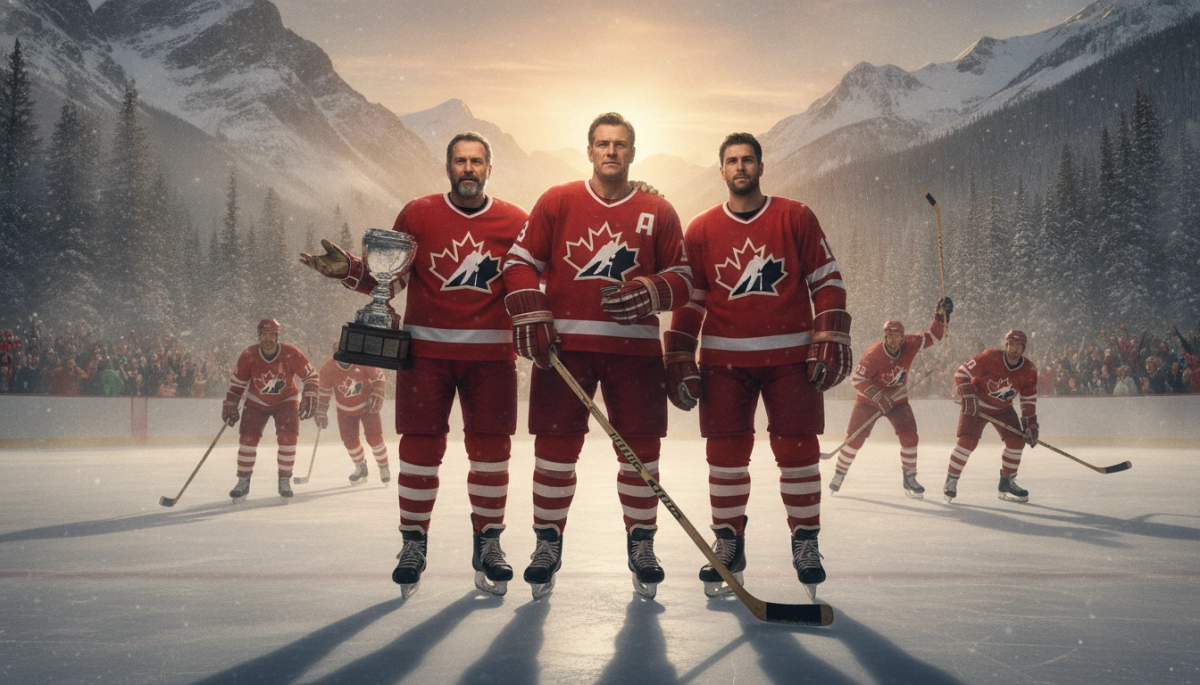
When a team signs or develops a bona fide star, that player instantly becomes a north star for roster construction, ticket sales, and even coaching strategy. Franchises orient around impact players in predictable ways: a high-end center or playmaker defines the top power-play unit and gets the toughest offensive matchups; an elite defenseman controls the transition game and quarterbacks the breakout; a true number-one goaltender gives a team the freedom to play more aggressively in the offensive zone.
This centrality affects every layer of team-building. Cap dollars are often concentrated at the top, forcing contending clubs to squeeze value in middle-six forwards and third-pair defensemen. Young prospects are groomed with the expectation that they’ll complement — not replace — the core star. Marketing and fan expectations follow suit: stars draw national attention and become the faces of a franchise through which rivalries, merchandise sales, and even local broadcasting narratives are amplified.
On-ice, coaches tailor systems to maximize star strengths. Speed-first teams prioritize stretch passes and quick transitions for their top forwards; possession-heavy clubs build around defensemen who can drive play from the blue line. Watching how a team deploys its stars — power-play time, critical faceoffs, defensive-zone starts — reveals a lot about organizational priorities and how they will try to win in tight games.
Breakout Talents and Young Cores Rewriting Expectations
The modern NHL is increasingly youth-driven. Breakout seasons frequently tilt a franchise’s timeline from rebuilding to contention in a single summer. Identifying who’s ready to make that leap is as much art as science: look for players who earn sustained increases in ice time, earn power-play responsibilities, or show improvements in underlying metrics like expected goals and points per 60 minutes.
Teams with strong development programs will integrate prospects into situational roles before expanding their responsibilities. Coaches might start a young center on the penalty kill or on a sheltered line and then reward consistency with tougher assignments. The resulting confidence and experience often produce mid-season explosions in scoring and play-driving ability.
Pay attention to contract status, too. Entry-level players hitting their stride often become candidates for bridge deals that buy teams flexibility while rewarding young talent. Those contracts can define a team’s short-term ceiling: a young core locked into reasonable cap hits allows a club to add veteran complements and accelerate a playoff push.
Depth Pieces and Veteran Leaders: The Unsung Difference-Makers
Championship teams rarely win on stars alone; the margin between a series win and a series loss is often a role player’s contribution. Fourth-line energy players, shutdown defensive pairings, and penalty-killing specialists set the tone in playoff hockey. These are the players who win puck battles, absorb hits to protect skilled teammates, and take the tough defensive-zone draws.
Veteran presence in the dressing room matters just as much. Captains and long-tenured leaders provide stability during slumps and guide younger players through the playoff grind. At the trade deadline, contenders frequently pursue experienced rentals — short-term bets on players who’ve been there before and can deliver situational impact.
Analytically, depth players are judged differently: their value often shows up in defensive metrics, faceoff percentages in the defensive zone, and suppressed scoring chances. Recognizing these subtleties will make you a more informed viewer — you’ll notice the quiet shifts in momentum created by a timely block, a blocked shot that leads to a transition goal, or an experienced penalty kill that withstands sustained pressure.
Following the Season: Simple Ways to Stay Engaged
Quick tips for watching teams, rivalries and player development
Pick a handful of storylines to follow—an emerging young core, a heated divisional matchup, or a team on the trade-deadline bubble—and check how those narratives evolve week to week. Use game previews and postgame analysis to see how coaches deploy stars and role players. Track ice time, power-play assignments and matchups to understand real-time strategy changes, and pay attention to injury reports and contract timelines that shape roster decisions.
Final Thoughts
Hockey rewards attention: the more you watch with an eye for franchises, rivalries and roster construction, the richer each game becomes. Follow matchups, listen for coaching decisions, and let individual player arcs guide which games you prioritize this season. For schedules, stats and official news, the league’s site is a reliable starting point—visit NHL.com for up-to-date information and resources.
Key Takeaways
- Franchise structure, salary-cap management and market size directly shape team strategy and long-term outlook.
- Rivalries amplify stakes and narrative context—watch matchups and historical patterns to deepen enjoyment.
- Star talent, breakout youth and depth players each play distinct roles; observing deployments reveals a team’s identity.