






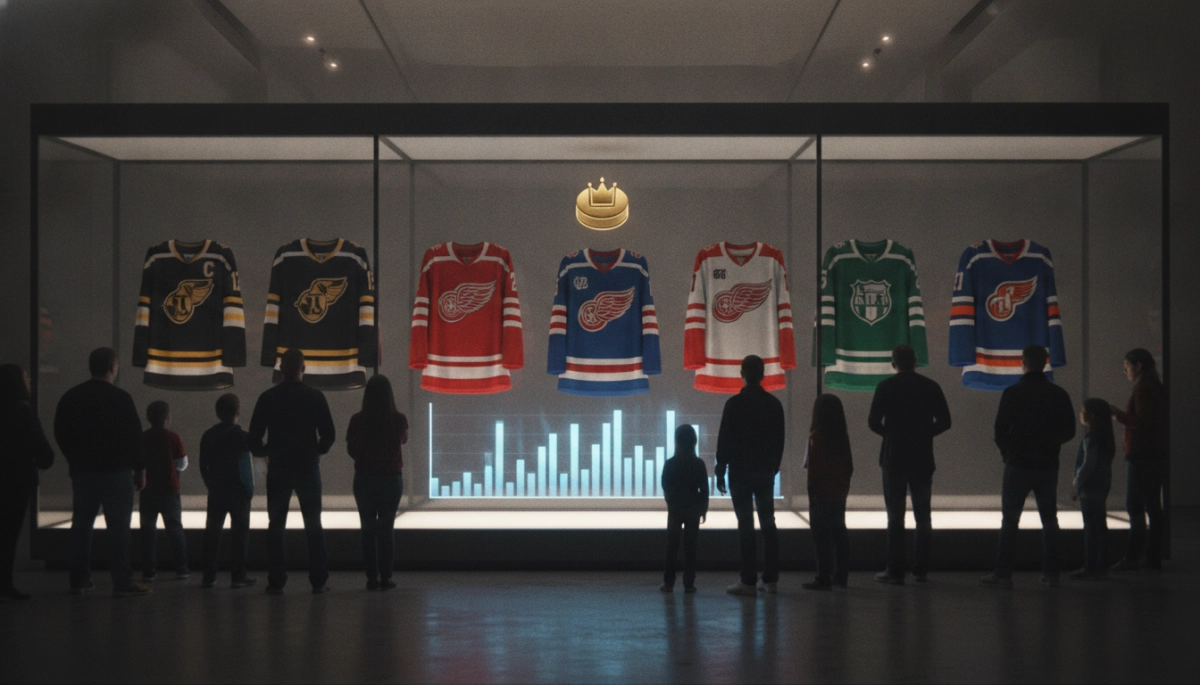
How 21st‑century popularity reshaped what you expect from NHL stars
You follow hockey in an era when a player’s reach extends far beyond the rink. In the 21st century, popularity doesn’t just come from on‑ice performance — it’s amplified by viral moments, global broadcasts, social media followings, and commercial deals. If you want to understand who truly tops the charts, you have to look at how the game and its audience changed together.
This section orients you to the modern landscape: why some players became household names and how their visibility influenced everything from jersey sales to youth participation in hockey. Understanding these forces will help you see why certain names recur in discussions about “most popular” even when their stat lines differ.
How popularity is measured in the modern NHL
When you consider popularity today, several measurable and qualitative factors matter. Below are the most common criteria analysts, marketers, and fans use to compare players:
- Social media presence: Followers, engagement, and viral clips that reach fans worldwide.
- Merchandise and jersey sales: How many fans buy a player’s name and number — a direct indicator of fandom.
- All‑Star selections and fan voting: Popularity often translates into votes during showcase events.
- Endorsements and media appearances: Cross‑over appeal on TV, in ads, and as brand ambassadors.
- International recognition: Olympic and World Championship performances that build global profiles.
- Cultural moments: Iconic goals, playoff heroics, or off‑ice stories that capture mainstream attention.
Each metric has limitations — social followings can balloon fast, while legacy reputation builds over many seasons. You’ll see different players shine depending on which measure you prioritize, so the upcoming ranking will balance these elements to present a holistic view.
Early 21st‑century icons who set the stage for modern stardom
The first decades of the 2000s produced a cohort of players whose fame helped define modern NHL celebrity. These athletes combined elite play with memorable personalities and moments that pushed hockey into broader cultural conversations. Here are several whose influence you’ll repeatedly encounter:
- Jaromír Jágr: Already a superstar before 2000, Jágr’s longevity and distinctive persona kept him visible to new generations, especially during his return stints in the NHL.
- Martin Brodeur: As a dominant goalie with team success and a steady public presence, Brodeur helped fans appreciate star power at the goaltender position.
- Sidney Crosby: Drafted mid‑decade, Crosby quickly became the face of a post‑lockout NHL, with leadership, Olympic success, and clutch playoff moments raising his profile globally.
- Alexander Ovechkin: Ovechkin’s goal scoring and charismatic celebrations made him a magnet for highlight reels and international attention.
- Patrick Kane and the Chicago core: Skill, style, and Stanley Cup success turned Kane into a marketable star with broad appeal.
These players helped you and millions of others develop new expectations for what an NHL star could be — athletic excellence plus media magnetism. In the next section, you’ll see how these early reputations compare with more recent stars and the data that determines who truly tops the charts.
Statistical leaders vs. cultural icons: which profile tops the charts?
Popularity in the 21st century often comes from a mix of box‑score dominance and headline‑grabbing persona — but those two don’t always overlap. Some players become globally recognizable because they lead the league in scoring or break records; others become cultural touchstones because of market, style, or a single unforgettable moment. Which matters more depends on the audience you ask.
On the stats side, names like Connor McDavid and Auston Matthews command attention because their on‑ice production generates highlight reels and trophies that are replayed across platforms. Those numbers translate into All‑Star selections, award conversations and — crucially — jersey sales from fans who want to identify with excellence.
On the cultural side, market size and narrative often amplify a player’s visibility beyond their point totals. A charismatic captain in a major media market, a goalie with a signature look, or a player who scores a show‑stopping playoff goal can become a mainstream figure even when they’re not the league’s top scorer. That’s why you’ll see goalies and gritty two‑way players appearing in “most popular” conversations alongside the point leaders.
The most enduring modern superstars are those who combine both: elite production that fuels media coverage and a persona or moment that resonates outside pure metrics. That duality explains why some names repeatedly top cross‑platform lists — they check both boxes.
Breakout stars of the 2010s and 2020s: new routes to stardom
The past decade accelerated new pathways to fame. Younger players debut on global stages via international tournaments and immediately enter a 24/7 media ecosystem where a single shift can become a viral clip. That shift in exposure has elevated players who might previously have taken years to build a profile.
Consider the players who arrived amid this digital surge: rapid‑skating centers whose speed and skill produce highlight compilations viewed millions of times, goal scorers whose pucks plastered across feeds translate into instant jersey demand, and charismatic personalities who thrive in interviews and social content. These athletes benefit from an organized NHL push into social platforms, team marketing that spotlights personalities, and a youth audience that consumes sports differently — more clips, less linear television.
Another factor: global scouting and a more internationally diverse NHL mean stars emerge from a wider set of countries, bringing new fan bases and cross‑border commercial interest. That international angle boosts players’ profiles during Olympics and World Championships, turning national heroes into franchise cornerstones with global followings.
Longevity and narrative: why some stars stay on top
Short‑term virality can catapult a player into the conversation, but staying atop the popularity charts requires sustained performance, consistency in public engagement, and often a compelling narrative arc. Longevity — whether through decades of high level play, repeated playoff heroics, or steady community involvement — cements reputation.
Players who reinvent themselves or remain relevant through changing team contexts tend to rank highly on multi‑metric lists: they sell jerseys long after their peak seasons, maintain follower growth, and keep attracting endorsement deals. In the next part of this series we’ll translate these qualitative patterns into specific rankings and show which players, by the numbers and narratives combined, truly top the 21st‑century charts.
Where NHL popularity is headed
Popularity in hockey will continue to be shaped less by a single metric and more by the interplay of platforms, performances, and personal stories. Expect short-form video, international tournaments, and team marketing to accelerate some careers overnight, while sustained excellence and community engagement will keep other players relevant for decades. The most interesting names will be those who adapt—on the ice, in media, and in how they connect with fans.
If you want reliable, up‑to‑date player information as these trends unfold, check official league pages for stats, rosters, and news: NHL.com.
How to stay part of the conversation
- Follow players and teams on social platforms to catch viral moments and behind‑the‑scenes content.
- Watch highlight compilations and advanced stat breakdowns to appreciate both flair and substance.
- Support the players and stories you care about — jersey purchases, fan forums, and game attendance still matter.
- Engage in debates with context: popularity is both measurable and personal, so bring stats and stories to the table.
As the century progresses, the charts will keep changing, but the core experience stays the same: great moments, compelling personalities, and a growing global community that keeps proving hockey’s reach is broader and more vibrant than ever.