






The IIHF World Championship: One of Hockey’s Most Demanding Tournaments
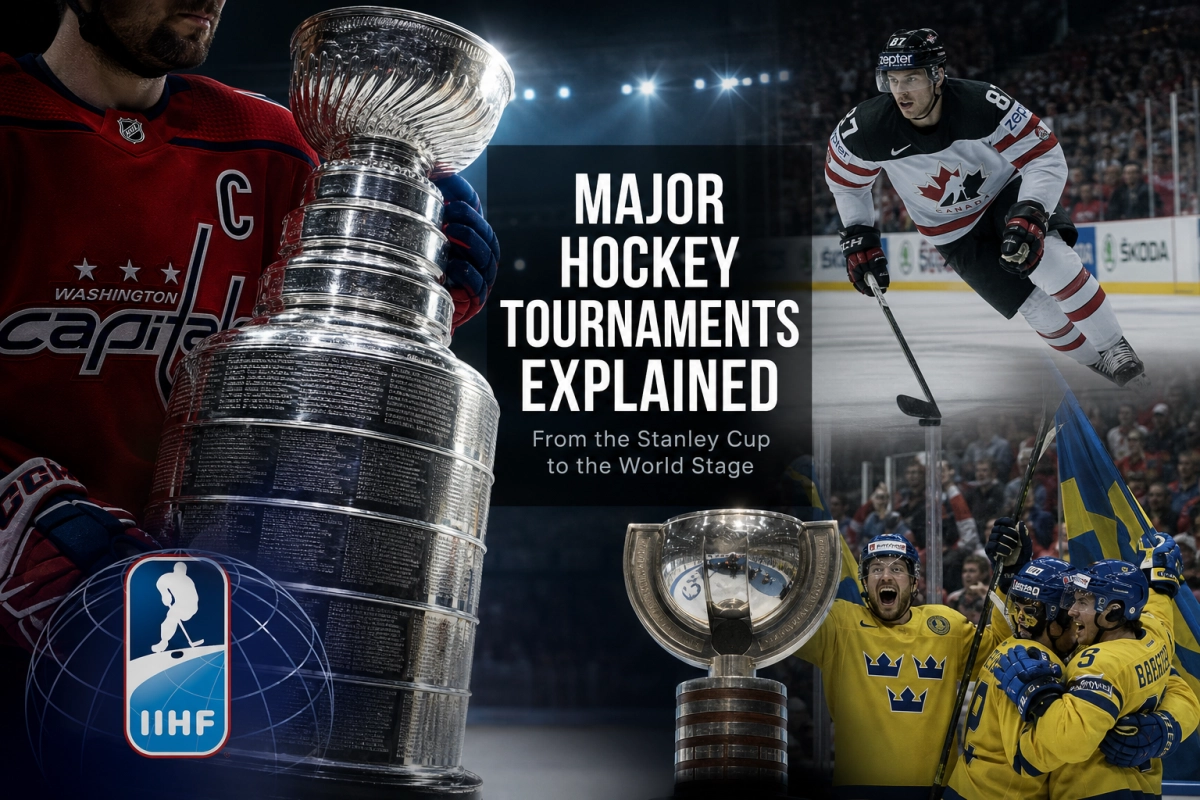
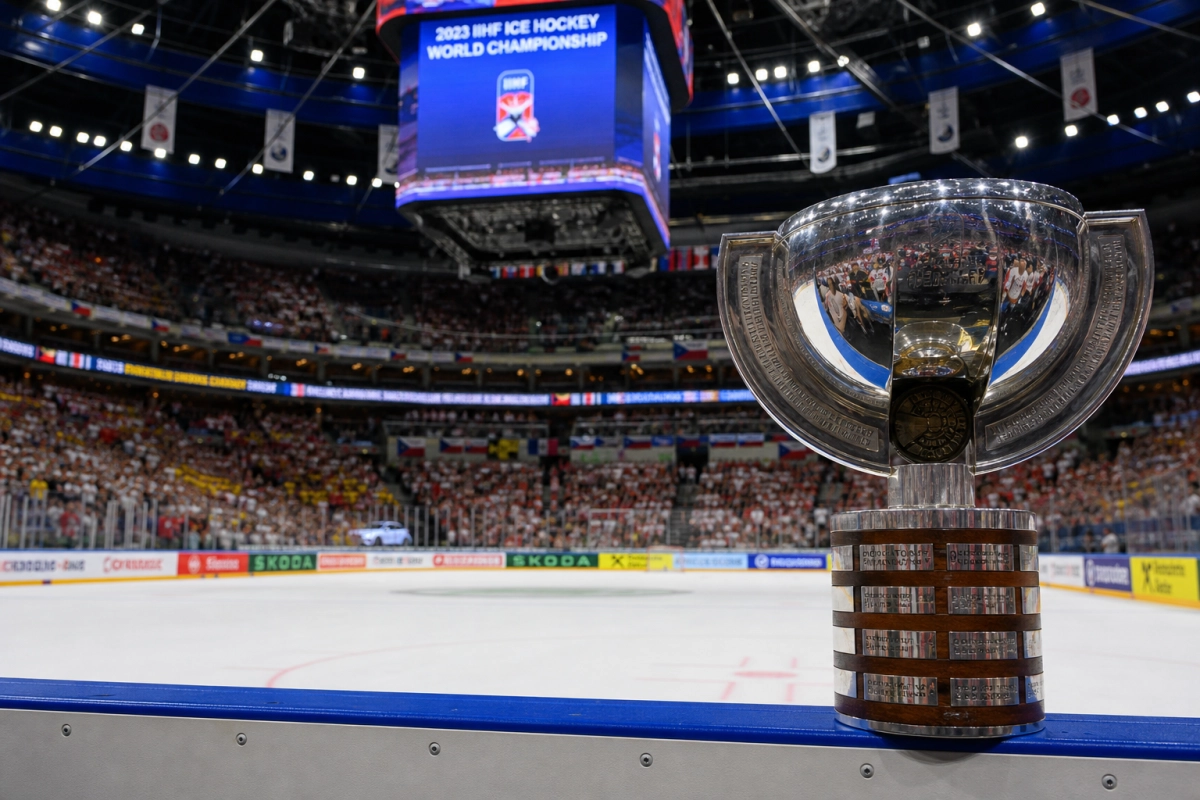
Every spring, the best national teams in international ice hockey gather to compete for one of the sport’s most prestigious titles. The IIHF World Championship, organised by the International Ice Hockey Federation, brings together sixteen nations across roughly three weeks of intense competition. Unlike club-based tournaments such as the Stanley Cup Playoffs, this event represents countries, meaning rosters are built from players whose NHL seasons have ended or who represent nations without a deep pool of North American professionals. That dynamic gives the tournament a distinctive character and makes the path to gold genuinely unpredictable.
Understanding how the tournament is structured helps fans follow the action more closely, appreciate the stakes of each result, and make sense of the standings as they develop. The format has several distinct stages, each with its own rules and consequences, and every point earned in the earliest games can have a direct bearing on whether a team reaches the medal rounds at all.
How the Group Stage Sets the Foundation
The tournament opens with the preliminary round, commonly referred to as the group stage. The sixteen participating nations are divided into two groups of eight teams. Each team plays seven games within its group, facing every other side once. These games determine which teams progress and which are eliminated or face demotion to a lower division of international hockey.
Points are awarded using a system that rewards teams for winning while still offering some value for competitive losses. The standard breakdown works as follows:
- Win in regulation time: 3 points
- Win in overtime or a shootout: 2 points
- Loss in overtime or a shootout: 1 point
- Loss in regulation time: 0 points
Overtime in this context refers to a five-minute sudden-death period played three-on-three, meaning each team has three skaters on the ice instead of the usual five. This open, fast-paced format encourages attacking play and frequently produces quick decisions. If no goal is scored during overtime, the game moves to a shootout — a penalty shot competition where individual players take turns attempting to beat the opposing goalkeeper one-on-one.
The distinction between a regulation win worth three points and an overtime win worth two is significant. Teams that consistently close out games within sixty minutes build a meaningful advantage in the standings, which can prove decisive when group positions are separated by a single point. Goal difference and other tiebreakers also come into play when teams finish level on points, so the margin of victory matters, not just the result itself.
Which Teams Advance from the Group Stage
At the end of the preliminary round, the top four teams from each group advance to the knockout stage. The bottom four teams in each group face a different outcome: the two lowest-ranked sides from each group are relegated, meaning they drop down to compete in the IIHF World Championship Division I the following year. Relegation makes the final group-stage games tense affairs, as even established hockey nations can find themselves fighting to retain their top-tier status.
With the group stage complete and eight teams confirmed for the knockout rounds, the tournament shifts into a format where every mistake carries a far higher price — and the path toward the gold medal becomes considerably narrower.
The Knockout Rounds: Where the Tournament Changes Shape
Once the group stage concludes, the tournament enters its knockout phase, and the entire atmosphere shifts. The eight remaining teams are arranged into quarterfinals, with seedings based on group stage performance. The top team from one group faces the fourth-place team from the other, and the second-place finisher meets the third-place finisher from the opposite group. This cross-group pairing system rewards teams that finished higher in their group, since they earn the theoretical advantage of facing a lower-ranked opponent from the other side.
The quarterfinals are single-elimination games, meaning there is no margin for error. A team that spent three weeks grinding through seven group-stage matches can be ended in a single evening. Games that remain tied after sixty minutes again proceed to overtime, though the stakes transform the dynamic considerably. In the knockout rounds, overtime continues in full five-on-five sudden-death periods rather than the three-on-three format used in the preliminary round, and there is no shootout — the teams keep playing until someone scores. This approach preserves the integrity of a decisive result and tends to produce some of the tournament’s most memorable moments, as exhausted players compete in extended periods of high-pressure hockey.
Four quarterfinal winners advance to the semifinals, held over the following two days. Again, these are single-game eliminations played under the same overtime rules. Winning a semifinal earns a team a place in the gold medal game. Losing one does not end the tournament entirely — the two defeated semifinalists meet in a separate bronze medal match, giving both nations one final opportunity to leave the championship with hardware.
Understanding the Bronze and Gold Medal Games
The bronze medal game and the gold medal final are typically played on the same day, with the consolation match preceding the championship game. For many nations, a bronze medal represents a significant achievement — proof that their programme competed among the final four in the world. For others, it can feel like an incomplete result, particularly for traditional powerhouses who entered with gold as their only acceptable outcome. Either way, both games carry enormous weight within their respective contexts.
The gold medal game itself is a single match with no second chances. Two nations compete over sixty minutes of regulation, with sudden-death overtime available if the score is level at the end of three periods. Whoever scores first in that scenario claims the title. The team lifting the trophy at the final buzzer is named IIHF World Champion for that year, and their players receive gold medals in an on-ice ceremony that closes out the event.
What It Actually Takes to Win the Championship
Claiming the IIHF World Championship gold medal requires a team to navigate a remarkably demanding sequence. From first game to final whistle, a champion must:
- Survive seven group-stage matches while building enough points to finish among the top four in their group
- Win a quarterfinal against a top-eight nation in a single-elimination game
- Win a semifinal under the same unforgiving conditions
- Win the gold medal final, potentially including sudden-death overtime
That demands a minimum of ten victories over roughly three weeks, against opponents who have all qualified at the highest level of international hockey. Roster management becomes a genuine challenge across that span — goaltenders face heavy workloads, key forwards must stay healthy, and coaching staff must balance using their best players against conserving energy for later rounds. Teams that peak too early often falter in the knockout stages, while those that find momentum at the right moment can exceed expectations entirely.
The point-accumulation mindset required in the group stage must give way to a completely different psychological approach by the quarterfinals. Teams that handle that transition well — staying disciplined in structure while raising their competitive intensity — are typically the ones standing on the top step of the podium when the medals are presented.
Why the Format Rewards Teams That Are Built to Last
There is a reason the IIHF World Championship produces different champions from year to year. The structure is deliberately unforgiving in some places and surprisingly subtle in others. The preliminary round rewards consistency and depth across a full week of competition. The knockout rounds demand composure under pressure that no amount of group-stage momentum can guarantee. A team can dominate seven games and then be eliminated in a single difficult quarterfinal night. Another side can scrape through the group stage on the final tiebreaker and go on to win gold. Both outcomes are entirely possible, and both have happened.
That tension between sustained excellence and peak-moment execution is what makes the format genuinely compelling. Nations cannot simply show up with a collection of talented individuals and expect the results to follow. Line combinations must gel quickly. Defensive structures must hold against opponents who have studied the same game film. Goaltenders must carry heavy workloads without a break in schedule, and then perform their best hockey when elimination is the alternative.
The points system in the group stage is particularly well-designed in this regard. By weighting regulation wins so heavily over overtime victories, it ensures that teams are always incentivised to push for a decisive result rather than play for a safe draw. That keeps the quality of play high across all seven preliminary-round games and means that a single regulation loss can shift a team’s entire standing in the group within twenty-four hours.
By the time the gold medal game arrives, the two nations competing have collectively weathered a combined twenty or more games at the highest level of international hockey. What separates them at that point is rarely talent alone. It is structure, resilience, coaching decisions made in the right moments, and the kind of collective belief that only develops when a group of players has earned their way through every stage the tournament can throw at them. That is precisely what makes lifting the trophy meaningful — and precisely why the IIHF World Championship continues to stand as one of the most respected titles the sport can offer.